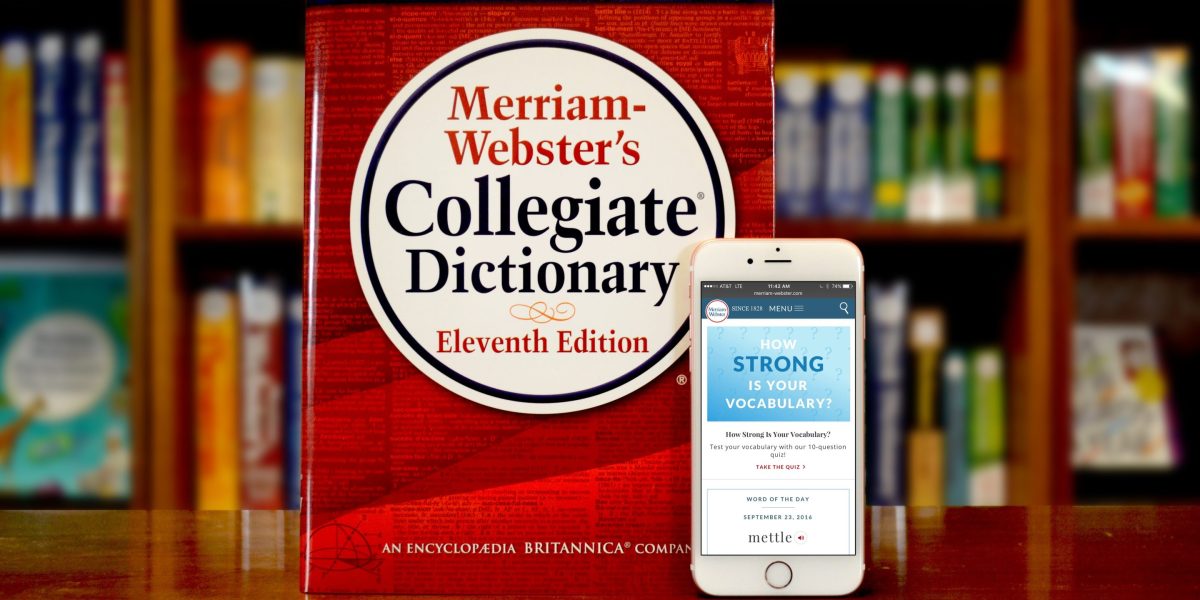
"ChatGPT starves web publishers, like [the] Plaintiffs, of revenue. Where a traditional search engine sends users to a publisher's website, Britannica and Merriam-Webster allege ChatGPT instead absorbs the content and delivers a polished answer. It also alleges the AI company fed its LLM with researched and fact-checked work of the companies' hundreds of human writers and editors."
"Less content of poorer quality will further result in reduced revenue, and thus less spending on content creation, spawning even less content of even poorer quality and even less revenue, and so on in a downward spiral for content creators like Plaintiffs."
"The case is the latest in a series accusing AI firms of data theft, raising questions about what counts as public knowledge and what information online should be off-limits for AI use. Anthropic, Perplexity, and nearly every other major AI company have all faced lawsuits alleging some form of copyright infringement."
Britannica and Merriam-Webster filed a lawsuit against OpenAI in the Southern District of New York, alleging the company built its $730 billion valuation by using their researched and fact-checked content without authorization. The publishers claim ChatGPT absorbs their content and delivers polished answers directly to users, diverting traffic and advertising revenue that publishers depend on for survival. The lawsuit argues this creates a downward spiral where reduced revenue leads to lower-quality content production, further diminishing publisher income. This case joins numerous other lawsuits against OpenAI and other AI companies, including Anthropic and Perplexity, raising broader questions about copyright protections and what online information should be restricted from AI training.
Read at Fortune
Unable to calculate read time
Collection
[
|
...
]