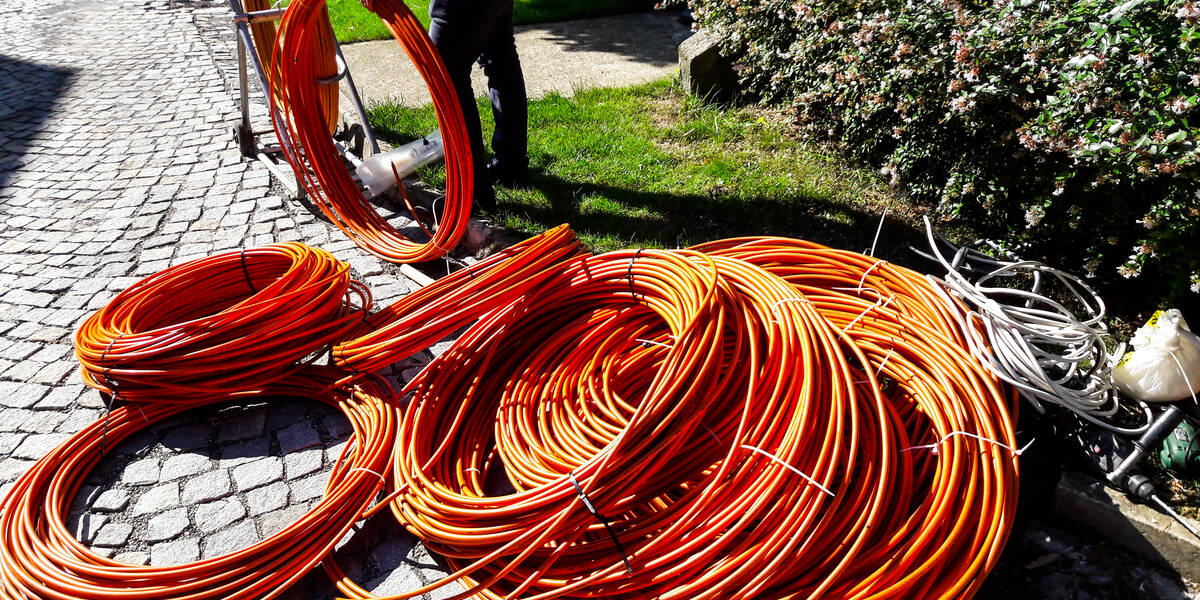
"Ofcom says that it recognizes that BT, the former state-owned telco, still has "significant market power" (SMP) in a number of markets, and so will continue to impose regulations on Openreach, its infrastructure arm, to address its monopoly-like influence. This means keeping rules that require Openreach to let other network firms access its utility poles and underground ducts to deploy new fiber via its Physical Infrastructure Access (PIA) scheme."
"Ofcom is also keen to see investment by and competition from alternative network providers (altnets). But it also wants to protect consumers by setting flat, inflation-adjusted prices for a basic superfast broadband product, while allowing flexibility on pricing for other speed bands. This applies to so-called "Area 2" regions, where there is at least one alternative provider to BT, which it reckons now covers 86 percent of UK premises."
"For "Area 3," typically rural locations where there is unlikely to be any other provider, the regulator will let Openreach "recover the reasonable costs of its investments" in rolling out fiber. In both areas, the price cap on what Openreach can charge retail internet service providers (ISPs) like Vodafone or Sky for using its network is being raised to cover download speeds up to 80 Mbps rather than the 40 Mbps at present."
Ofcom published its Telecoms Access Review for 2026-31, largely maintaining the regulatory framework established in 2021 to promote investment and competition in wholesale broadband markets. The regulator acknowledges BT's significant market power and continues imposing regulations on Openreach to address its monopoly-like influence. Key measures include requiring Openreach to provide physical infrastructure access through its PIA scheme, allowing competitors to use utility poles and ducts. Ofcom encourages investment from alternative network providers while protecting consumers through inflation-adjusted price caps for basic superfast broadband in competitive areas covering 86 percent of UK premises. In rural areas without alternative providers, Openreach can recover reasonable investment costs. Price caps now cover speeds up to 80 Mbps, with higher-speed products remaining unregulated to incentivize investment.
#broadband-regulation #bt-market-dominance #infrastructure-access #price-controls #uk-telecommunications
Read at Theregister
Unable to calculate read time
Collection
[
|
...
]