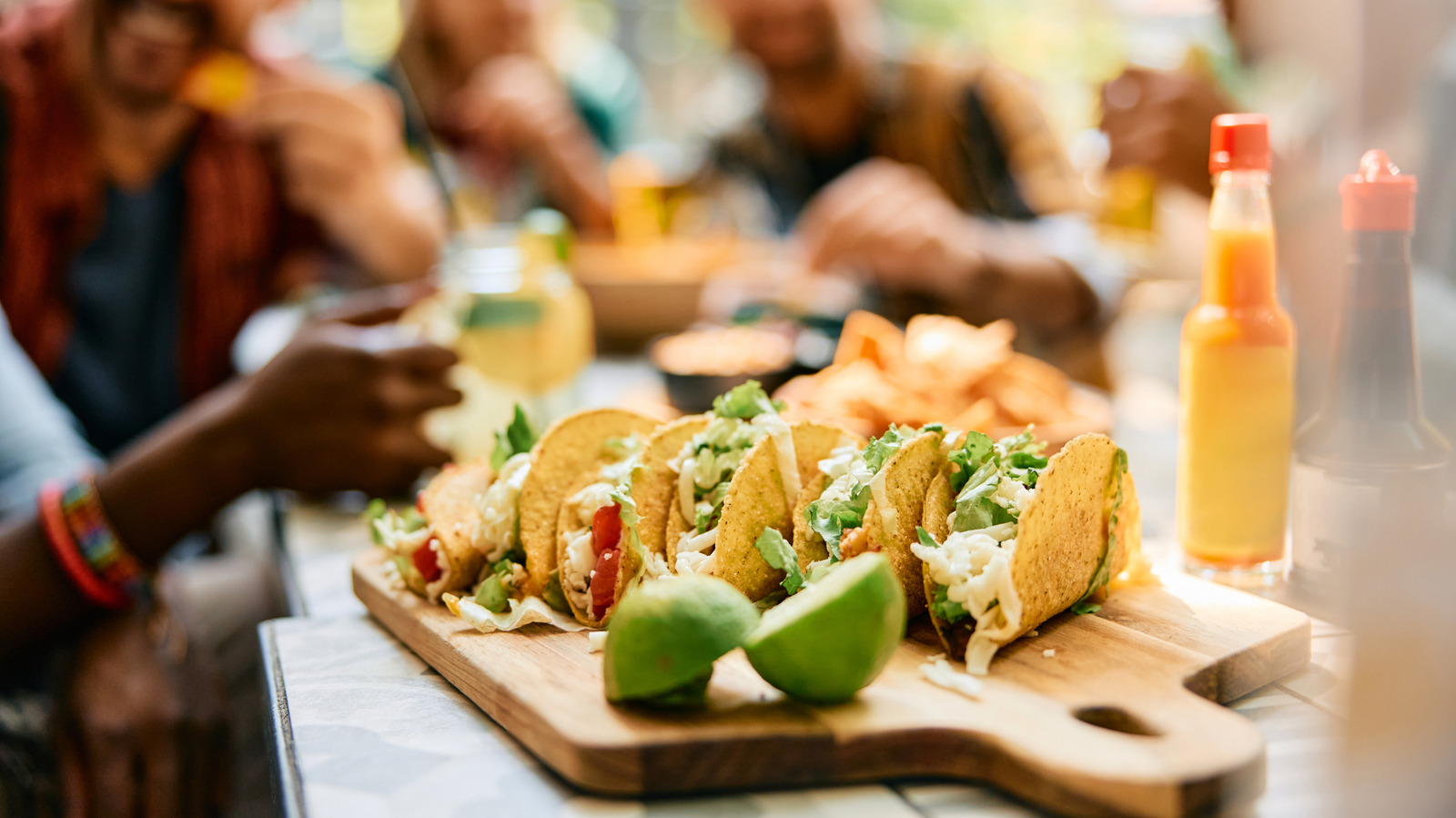
"Be specific about heat, because it should enhance flavor, not overpower it. Chili peppers are supposed to bring depth, smokiness, even sweetness - not just fire. Chipotles in adobo, for example, contain smoky, sweet, and spicy notes that pair beautifully with red meat dishes or as a saucy base for slow cooker chicken tinga."
"Don't be afraid to be super clear about your comfort level with heat. Instead of saying 'no spice,' which can be confusing because spice doesn't always mean heat, you can say you love the flavors but have a low tolerance for spicy. Furthermore, she advises sensitive palates to request 'very mild heat' or 'just a gentle kick.'"
"The reason you ought to order your Mexican food with a 'mild kick' if you're intolerant to spicy food is so that the kitchen adjusts without stripping the dish of its character. Many traditional Mexican kitchens build layers of flavor."
Mexican cuisine relies heavily on chiles, but spice level and heat intensity are distinct concepts. Spice refers to flavor complexity including smokiness and sweetness, while heat creates the burning sensation. Those sensitive to spicy foods can still enjoy authentic Mexican dishes by communicating clearly with restaurants. Instead of requesting no spice, diners should specify their heat tolerance level, such as very mild heat or a gentle kick. This approach allows kitchens to adjust preparations while maintaining the dish's authentic character and layered flavors that define traditional Mexican cooking.
Read at Tasting Table
Unable to calculate read time
Collection
[
|
...
]