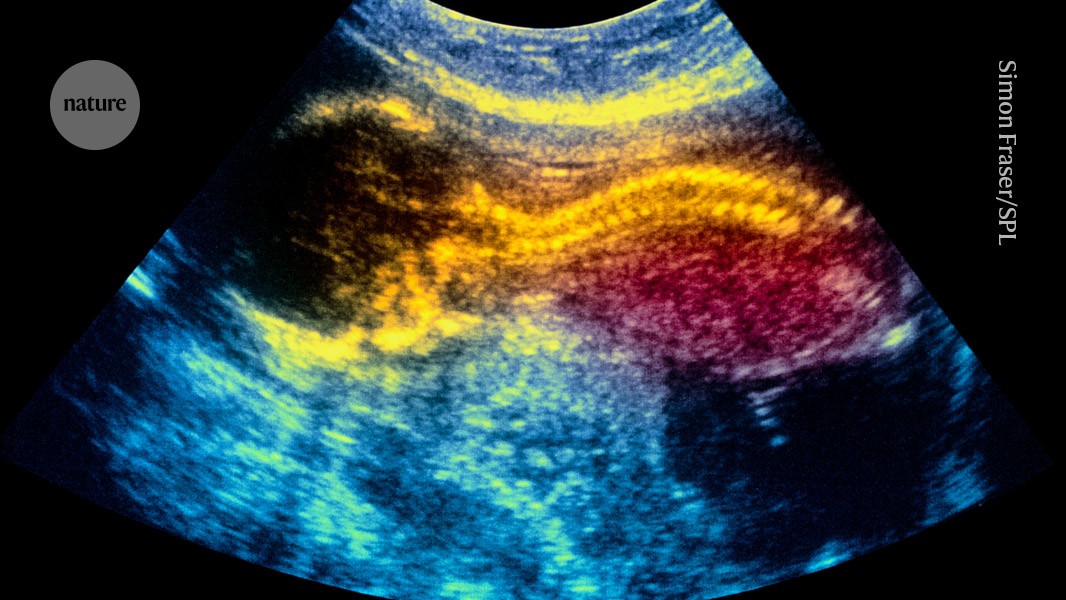
"Six pregnant women underwent surgery at 24-25 weeks of gestation. During the procedure, stem cells generated from donated placentas were applied to the fetuses' exposed spinal cords directly. The authors say there were no complications during the surgeries, and the newborns were delivered at around 34 weeks of gestation with no signs of infection, cerebrospinal fluid leakage or tumour growth."
"All of the newborns showed signs that a complication of their condition called hindbrain herniation - in which the back of the brain descends into the neck and blocks the circulation of cerebrospinal fluid - had been reversed."
"It is also reassuring that the therapy did not cause harm, but it is still too early to know whether it will be beneficial."
Myelomeningocele, the most severe form of spina bifida, causes paralysis and bladder/bowel control issues in affected infants. A clinical trial tested whether stem cells derived from donated placentas could treat this condition when applied directly to exposed fetal spinal cords during in utero surgery. Six pregnant women underwent the procedure at 24-25 weeks of gestation. No surgical complications occurred, and newborns delivered around 34 weeks showed no infection, cerebrospinal fluid leakage, or tumor growth. Notably, all newborns demonstrated reversal of hindbrain herniation, a serious complication where brain tissue descends into the neck. While the therapy proved safe, researchers emphasize it remains too early to determine long-term clinical benefits.
Read at Nature
Unable to calculate read time
Collection
[
|
...
]