"Marat Rivkin, 88, has only one photograph of himself with his mother from World War II. It was taken in 1941 at a Soviet train station, so he could get help finding her if they were separated. "My mother ran in and said, 'The war has begun.' I didn't know what she meant, but she was crying and told me and my grandmother to begin packing," Rivkin told Brooklyn reporter Hannah Kliger in Russian."
"Rivkin recalled childhood memories of Nazi-allied forces destroying Jewish ghettos in his hometown of Slutsk, in what was then Soviet Belarus. "They began to bomb and my grandma threw me into poison ivy and covered me with her body. She told me, 'If they kill me, you will survive,'" he said. Soon after, Rivkin and his family fled, traveling nearly 1,000 miles to a village outside of Stalingrad, now known as Volgograd. Today, he is among hundreds of Holocaust survivors living in Brooklyn."
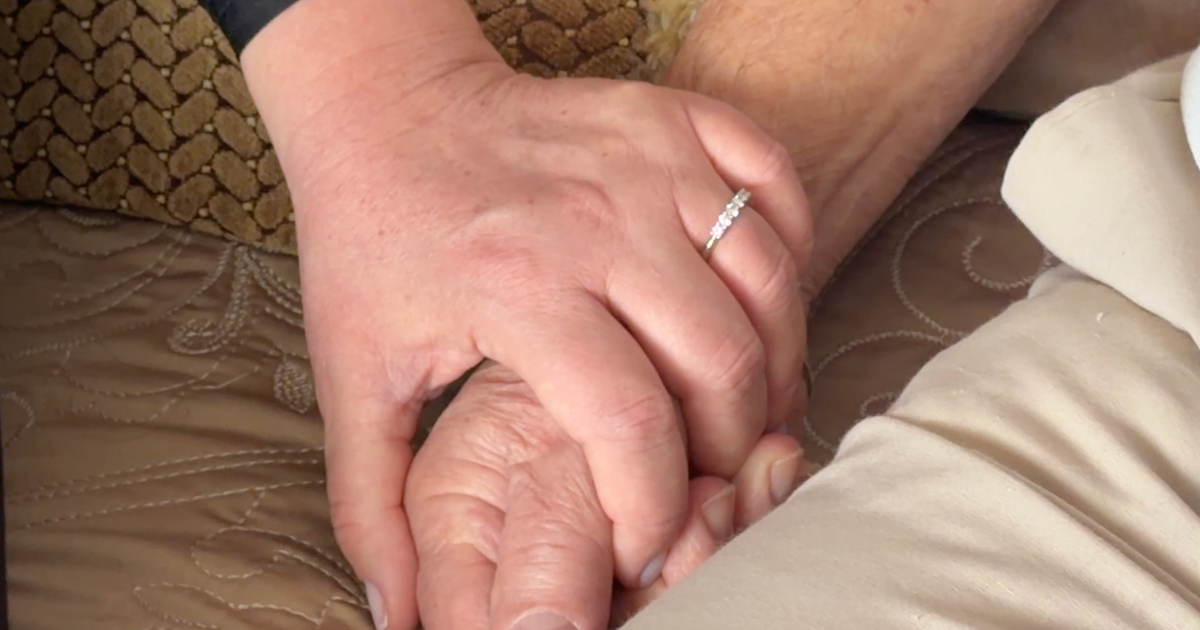
"In recent years, Rivkin has formed a close bond with Olga Smirnova, a clinical social worker who visits him weekly through a home-visit program run by Maimonides Medical Center. "She's like a friend, a person who understands me. Things sometimes feel difficult, but she gives me advice," Rivkin said. Smirnova said trauma-informed therapy often looks different for survivors. "We can use childhood experience like a resource, but for Holocaust survivors, we cannot do it because it's a lot of traumatic experience," she said."
Brooklyn hosts one of the largest populations of Holocaust survivors outside Israel. Many survivors live far from the places where their lives were changed and face persistent loneliness and decades-old trauma. Marat Rivkin, 88, recalls fleeing Nazi-allied attacks in Slutsk and traveling toward Stalingrad with family; he retains a single wartime photograph of his mother. Weekly home visits from clinical social worker Olga Smirnova, provided by a Maimonides Medical Center program, focus on companionship and emotional support. Trauma-informed therapy for survivors must account for extensive early-life trauma, and distress has intensified amid the war in Ukraine.
Read at Cbsnews
Unable to calculate read time
Collection
[
|
...
]