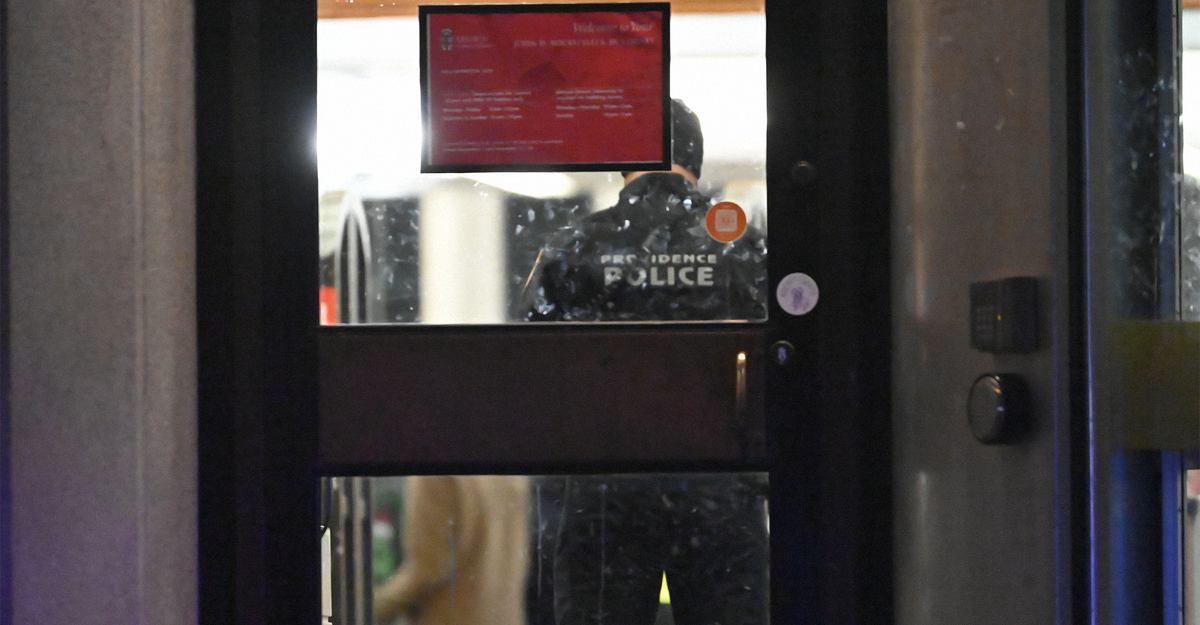
"Even so, the December 13 shooting at Brown University has been remarkably difficult for me to navigate. I know the Brown community intimately, having spent most of my career there. The people who were present are not abstractions. They are my friends, my mentees, my former students, my friends' kids. The first responders, doctors, and nurses were my longtime colleagues. I am heartbroken, in a particularly personal way."
"The first thing we must do is grieve, with unabashed, full-throated, human sadness. We will mourn the two students who were killed. May their memories be a blessing. We will lament the forever-changed lives of the nine students who were injured, and hold their families in our heart. We will also grieve for those who were not shot, but who are nonetheless permanently altered by this tragedy."
A December 13 shooting at Brown University killed two students and injured nine, producing deep, personal grief across the community. Community members, classmates, family, friends, first responders, and medical teams all experienced lasting emotional and professional impacts. Lockdown alerts produced urgent questions about safety, reunification, and practical help, with many people seeking ways to respond. Hope and facts are difficult immediately after such a tragedy, but small, persistent actions and deliberate grieving are presented as essential responses. The effects of mass shootings extend in concentric circles, requiring holding space for many affected groups.
Read at The Atlantic
Unable to calculate read time
Collection
[
|
...
]