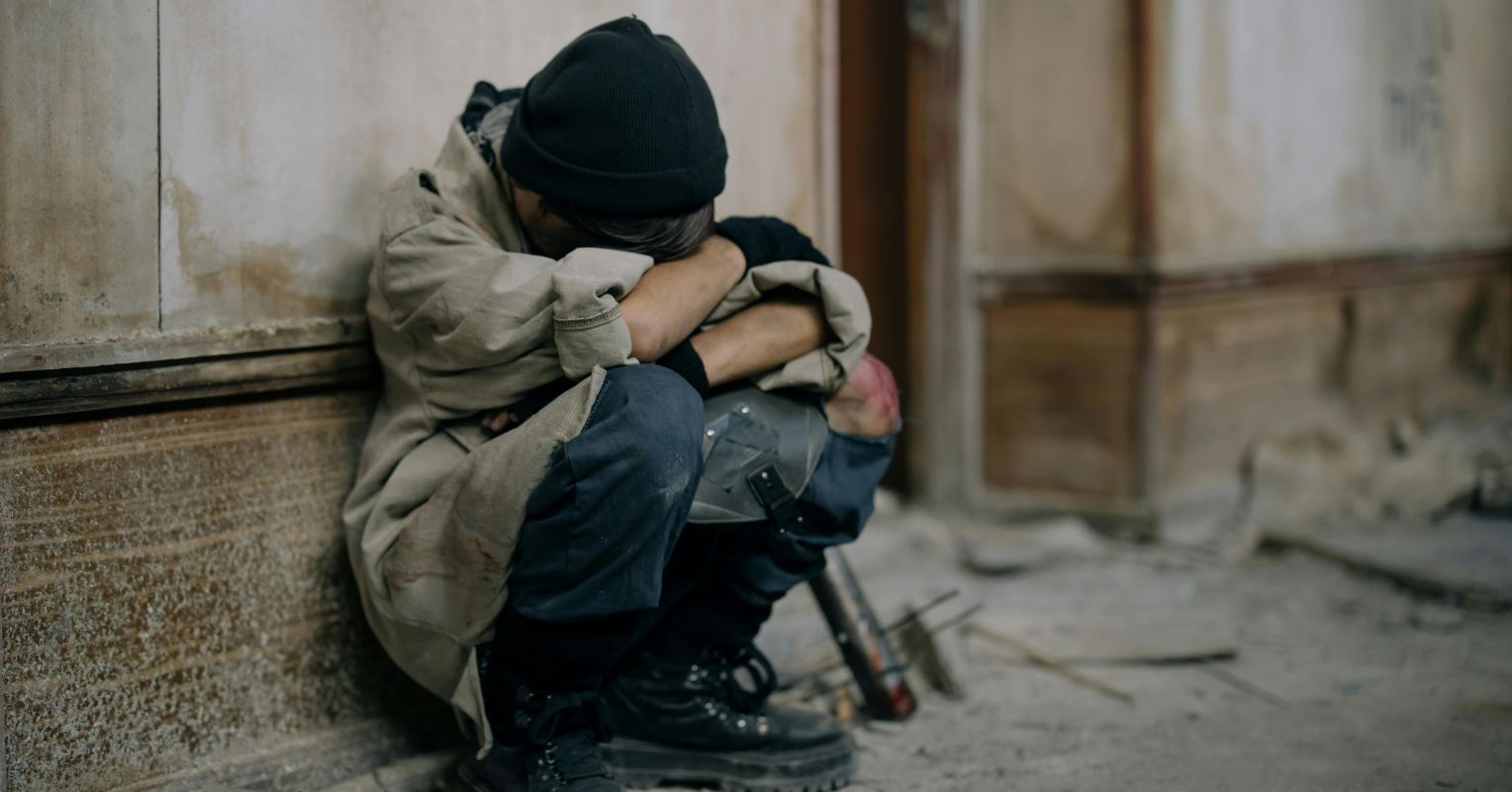
"While I was teaching a literacy class inside the male prison in the Cayman Islands one of the men asked to speak. His voice was steady, but his words carried the weight of a story that had waited a long time to be heard. He did not begin with crime. He began with childhood. As a boy, he often went to school hungry. Some mornings there was nothing to eat."
"Teachers noticed that he struggled. He could not sit still. He fell behind. He was restless and distracted. No one asked what was happening at home. Instead, he was moved from place to place, always described as a problem rather than a child in need. From there, the path narrowed quickly. Youth detention followed. Then prison. Sitting in front of me as an adult, he shared something quietly shocking."
A man incarcerated described childhood hunger, unwashed uniforms, and a pervasive sense of invisibility. Teachers noted restlessness and poor performance but did not inquire about home conditions, instead labeling and moving him. The trajectory led to youth detention and later prison. Undiagnosed reading difficulties became apparent only during a prison literacy class. Emotional neglect leaves no visible wounds yet shapes development as powerfully as abuse, producing anger, withdrawal, or controlling behaviors. Many behaviors later labeled criminal began as unmet needs and ignored distress in childhood. Listening and consistent emotional presence are among the most effective prevention measures against future violence.
Read at Psychology Today
Unable to calculate read time
Collection
[
|
...
]