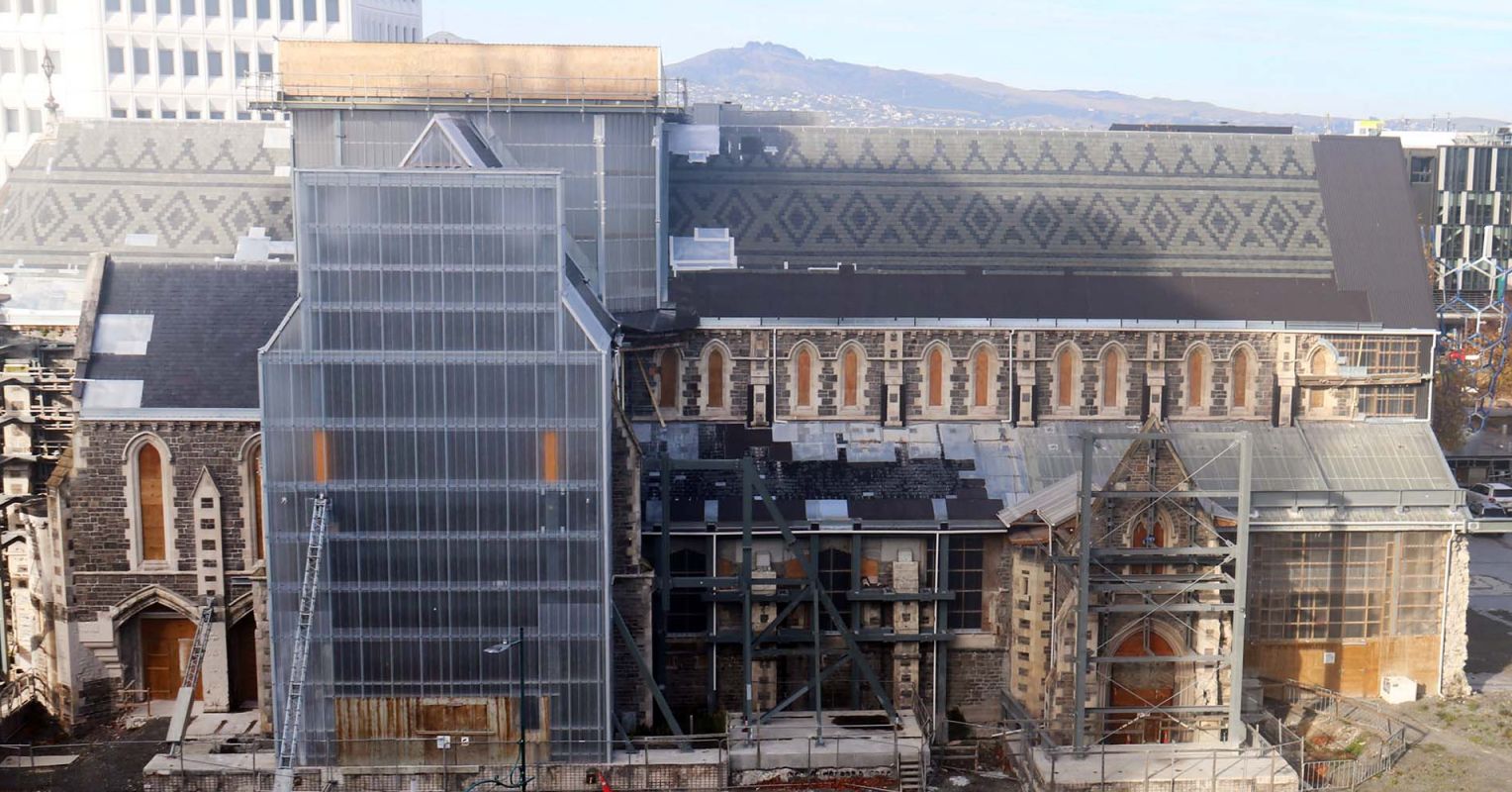
"Disaster recovery is highly localised and highly personal, even with widespread destruction. Varying post-disaster mental health needs and responses need to be addressed and respected. At times, "recovery," might not be feasible, even as people continue with life and livelihood. After the horror of a disaster, common phrases include "recovery," "return to normal," "build back better," and "closure." The meanings and implications of these notions for mental health are not always clear. Timeframes, paces, and ways of healing and coping differ."
"Grief counselling, psychosocial support, and therapy might be essential in deciding to try to reconstruct as much as possible to be as similar as possible, or to follow life pathways that are completely different from before. Death is one tragedy from which there is no return. A return to normal is not possible. Continuing to live might mean stumbling along day-to-day or decade-to-decade with a hole in one's heart."
Disaster recovery varies by person and place; timeframes, paces, and coping differ. When homes, families, and communities are destroyed, recovery is not straightforward. Some people rebuild similar lives; others follow different paths. Grief counseling, psychosocial support, and therapy can influence decisions about reconstruction and future direction. Death causes irreversible loss; returning to prior normality is impossible for many. Living after disaster may mean managing grief while maintaining daily life and livelihoods. Communities may change permanently through exodus, business closures, school amalgamations, landmarks becoming memorials, and altered social networks.
Read at Psychology Today
Unable to calculate read time
Collection
[
|
...
]