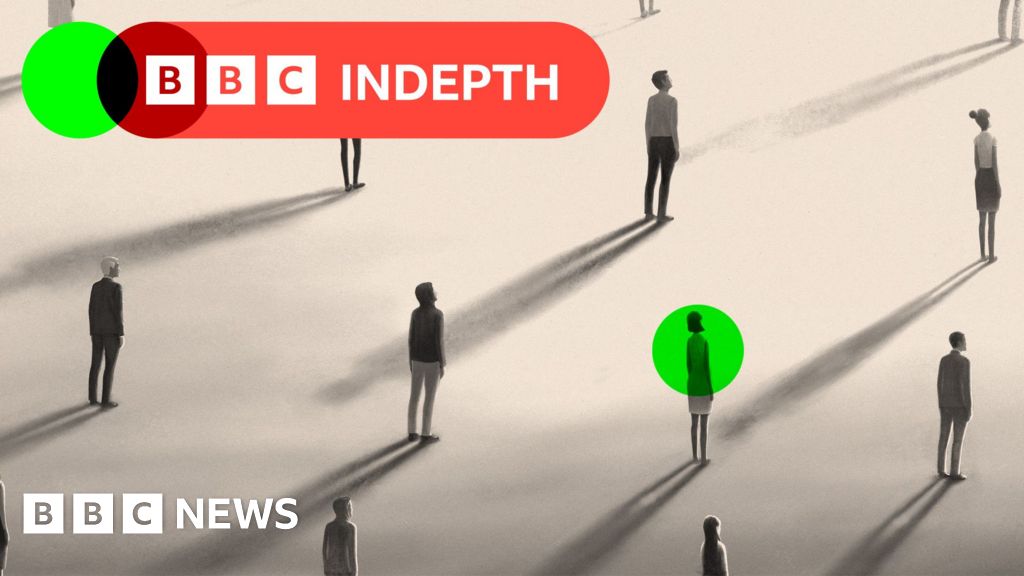
"So far, he had struggled to make friends. "I wasn't alone all the time, but [] I was a bit of an outsider," he remembers. As he headed home, the streets were full of Halloween partygoers in monster and cat costumes. "I walked past people turning up to friend's houses, people running into shops to buy beer. "All the pubs were full. It just [felt] like a different world that you're not part of. And you feel like you can never be part of it.""
"According to Office for National Statistics (ONS) research published last month, 33% of Britons aged 16 to 29 reported feeling lonely "often, always or some of the time" - the highest of all age groups (17% of over-70s said the same thing). This year, the World Health Organization reviewed various studies published across the world and found that young adults and adolescents report the highest levels of loneliness too."
Young adults, particularly those aged 16–29, report the highest levels of loneliness in Britain and in many countries worldwide. Official statistics show 33% of Britons aged 16–29 feel lonely often or some of the time, compared with 17% of people over 70. Personal accounts describe feeling excluded during social events, struggling to make friends after moving to a new city, and perceiving an unreachable social world. World Health Organization reviews and academic research identify adolescents and young adults as especially isolated, though in some countries the oldest age groups (85+) may also experience elevated loneliness.
Read at www.bbc.com
Unable to calculate read time
Collection
[
|
...
]