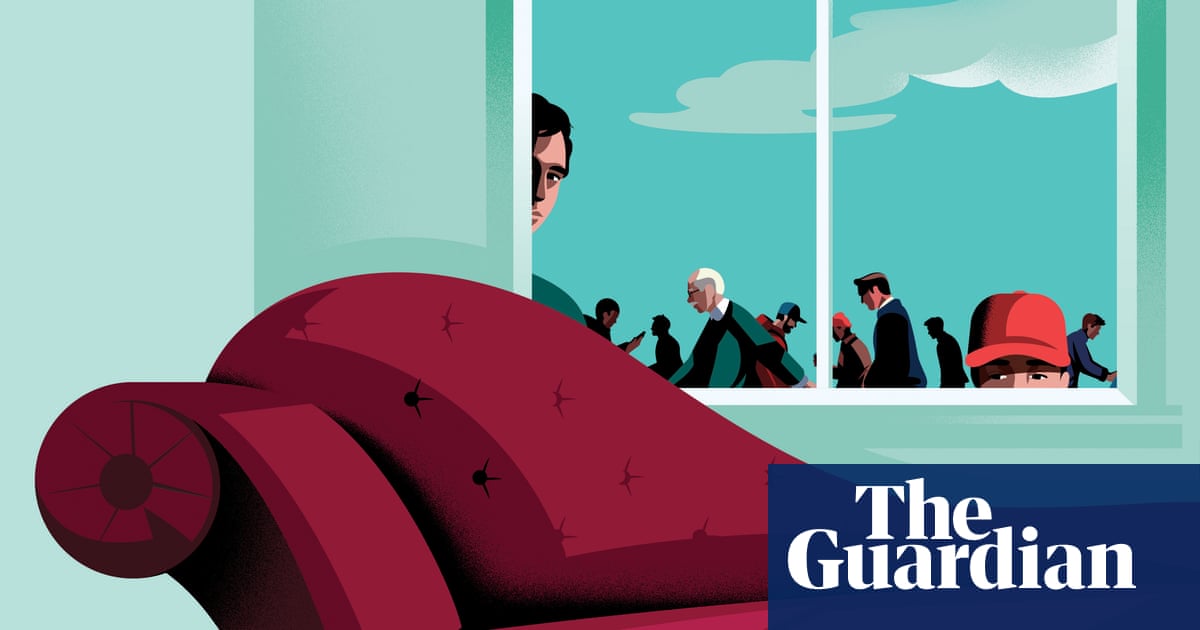
"Jake's marriage to Louise is in trouble, and she has insisted he come and see me. If not for Louise, you wouldn't be here, would you? I enquire tentatively. He looks sheepish at first; then emboldened, he gives an emphatic No. As is almost always the case, Jake's wife has registered a problem that has passed him by, and prompted his visit."
"Yet male vulnerability is clear men report lower levels of life satisfaction than women and make up three-quarters of suicides and problems with addiction. But despite the increase in awareness around male mental health, men still tend to think there's a stigma to speaking with a professional, even though most of those who have tried therapy have a positive experience."
A middle-aged businessman attended therapy reluctantly at his wife's insistence and revealed profound isolation and emotional distress. Men comprise only a third of referrals to NHS talking therapies and often seek help sporadically. Men report lower life satisfaction and account for three-quarters of suicides and addiction problems. Stigma and beliefs about speaking to a professional deter many men despite generally positive therapy experiences. Historical gender roles and biological and social factors prime men to be action-focused and less verbally and emotionally attuned, which hinders emotional expression and therapeutic help-seeking.
Read at www.theguardian.com
Unable to calculate read time
Collection
[
|
...
]