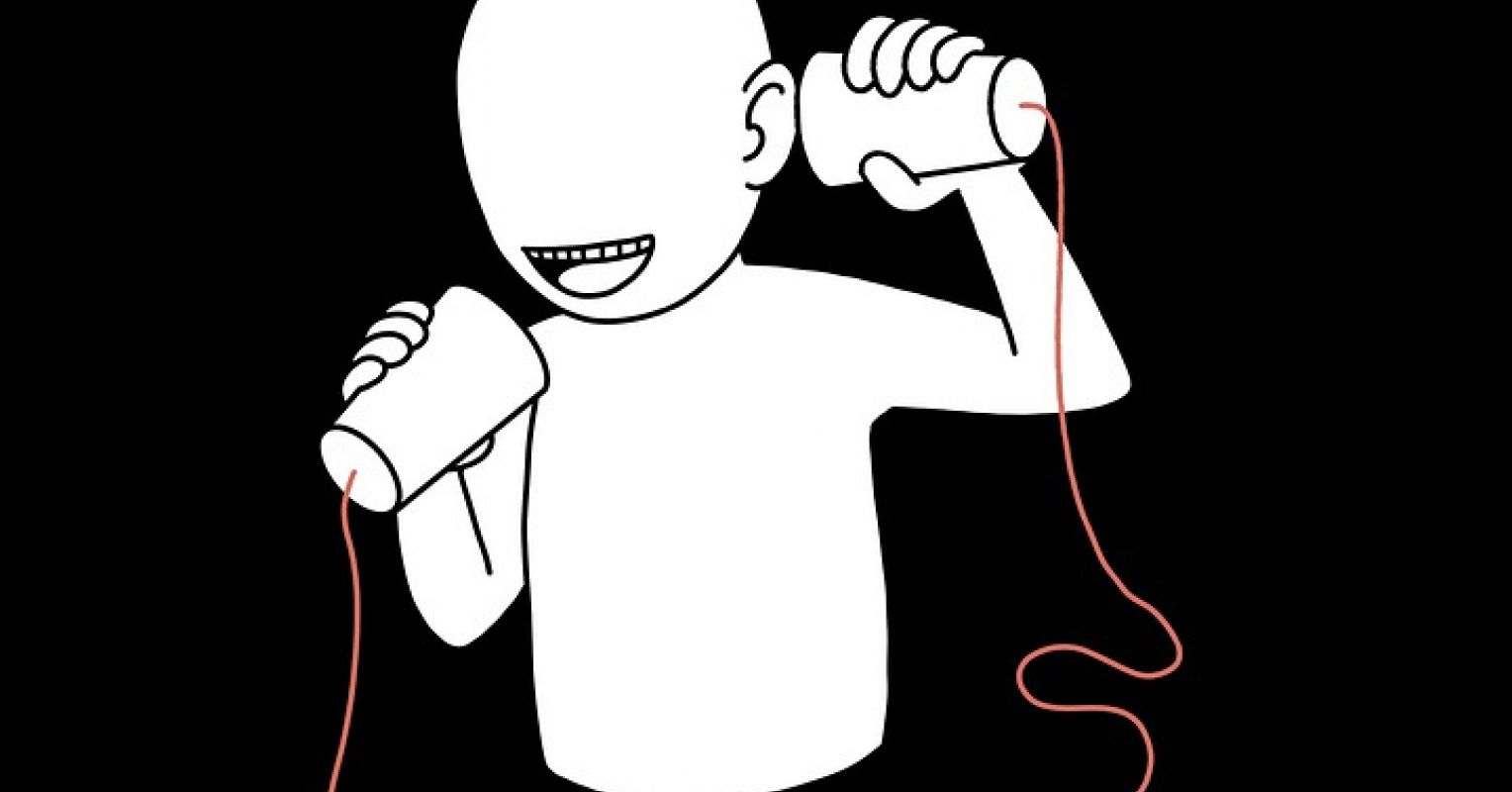
"An old professor of mine once demonstrated to me that if I described a headache out loud-its color and shape, what substance it was made of, what it would say if it were a 6-year-old-it would often diminish in intensity, and sometimes evaporate altogether. In other words, if I could concretize and get it outside of me by translating it into spoken words instead of silent suffering and formless feelings, it didn't hurt as much."
"Neuroscience researcher Kyle Cox, for instance, has found that people who narrate tasks out loud complete them 25 percent faster and with fewer errors than silent workers, because doing so creates a feedback loop that catches mistakes and maintains focus. In one study, basketball players performed faster and better when they talked through their moves out loud (and in a positive rather than negative tone of voice)."
"As long as you don't turn self-talk into a headache by judging it as weird or neurotic, thinking out loud is associated with enhanced cognitive functioning, problem-solving, memory, and even self-control. It isn't a glitch; it's an upgrade."
Speaking thoughts aloud externalizes sensations and converts vague feelings into concrete narrative that reduces emotional intensity and accelerates recovery. Verbal processing organizes chaotic internal states into understandable stories, and understanding soothes. Narrating tasks creates a feedback loop that maintains focus, catches errors, and can yield roughly 25 percent faster completion with fewer mistakes. Athletes and people searching visually benefit from naming targets or moves aloud, and positive self-talk enhances performance. Thinking out loud supports problem-solving, memory retention, and self-control while encouraging mindfulness because speech slows thought. Avoiding self-judgment prevents self-talk from becoming counterproductive, and public self-talk is increasingly normalized by ubiquitous phone use.
Read at Psychology Today
Unable to calculate read time
Collection
[
|
...
]