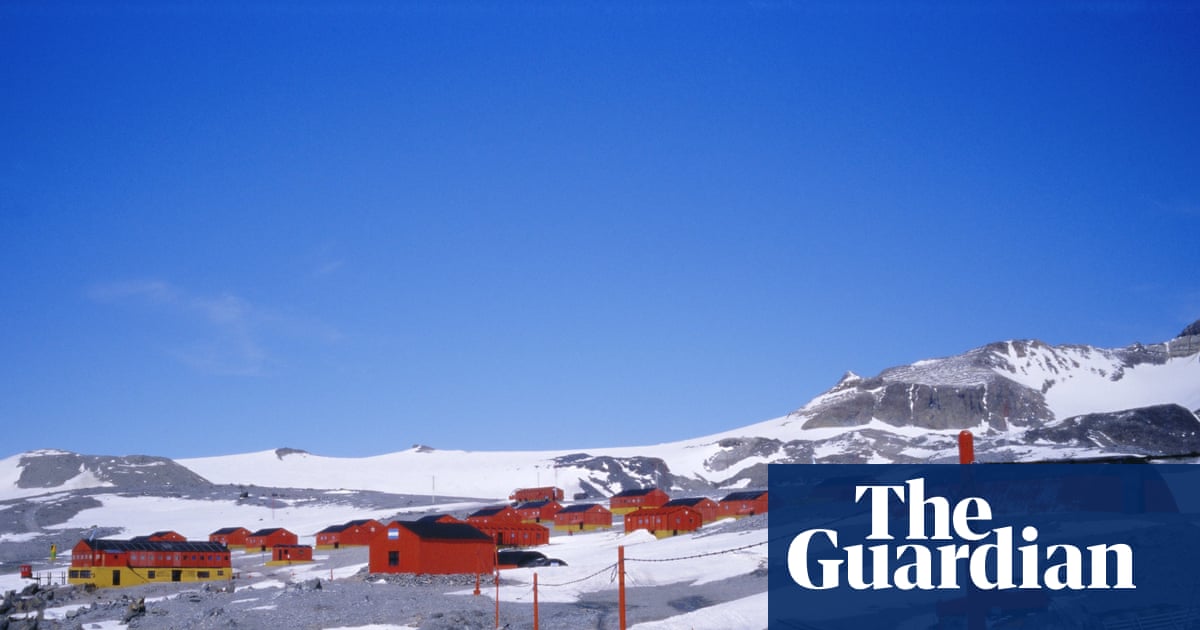
"The blue of the sky is the product of Rayleigh scattering, which affects light more at the blue end of the spectrum. The blue we see is just the blue component of scattered white sunlight. High humidity and dust, as well as smoke and pollutants, also scatter light, but over a wide range of wavelengths. This is known as Mie scattering and results in a whiter or milkier shade across the sky."
"At higher altitudes there is less atmosphere above to scatter light, so the sky is darker and the blue may appear more intense. Spectroscopic studies show there are differences in different parts of the world but there has been no thorough global survey. Antarctica is the likely winner for deepest, most saturated blue sky, as it combines high altitude with extremely low humidity and pollution."
Rayleigh scattering preferentially scatters shorter (blue) wavelengths of sunlight, producing the blue sky. Mie scattering from high humidity, dust, smoke and pollutants scatters across a wide range of wavelengths and produces a whiter or milkier sky. Higher altitudes have less atmosphere to scatter light, producing a darker and potentially more intense blue. Spectroscopic studies reveal regional differences in sky color, but no comprehensive global survey exists. Antarctica combines high altitude, extremely low humidity and minimal pollution, yielding the deepest, most saturated blue. The Atacama desert and the Tibetan plateau are strong runners-up due to their dryness and elevation.
Read at www.theguardian.com
Unable to calculate read time
Collection
[
|
...
]