"And I maintain that nothing in my work is symbolic; I don't like symbols in literature, nor parables, although I have a soft spot for French Symbolist poetry. I hold that book, Spadework, in high regard because it features Melville, Malcolm Lowry, who is one of my favorite authors, and the innovative and visionary American experimental architect Lebbeus Woods."
"It is for the characters in Satantango. There are happier dances like flamenco, even though it also deals with passion and the devil is also present; you can feel the devil's influence in flamenco. But in my novel, tango is simply the dance they do there while they wait for a miracle. It's that and nothing more."
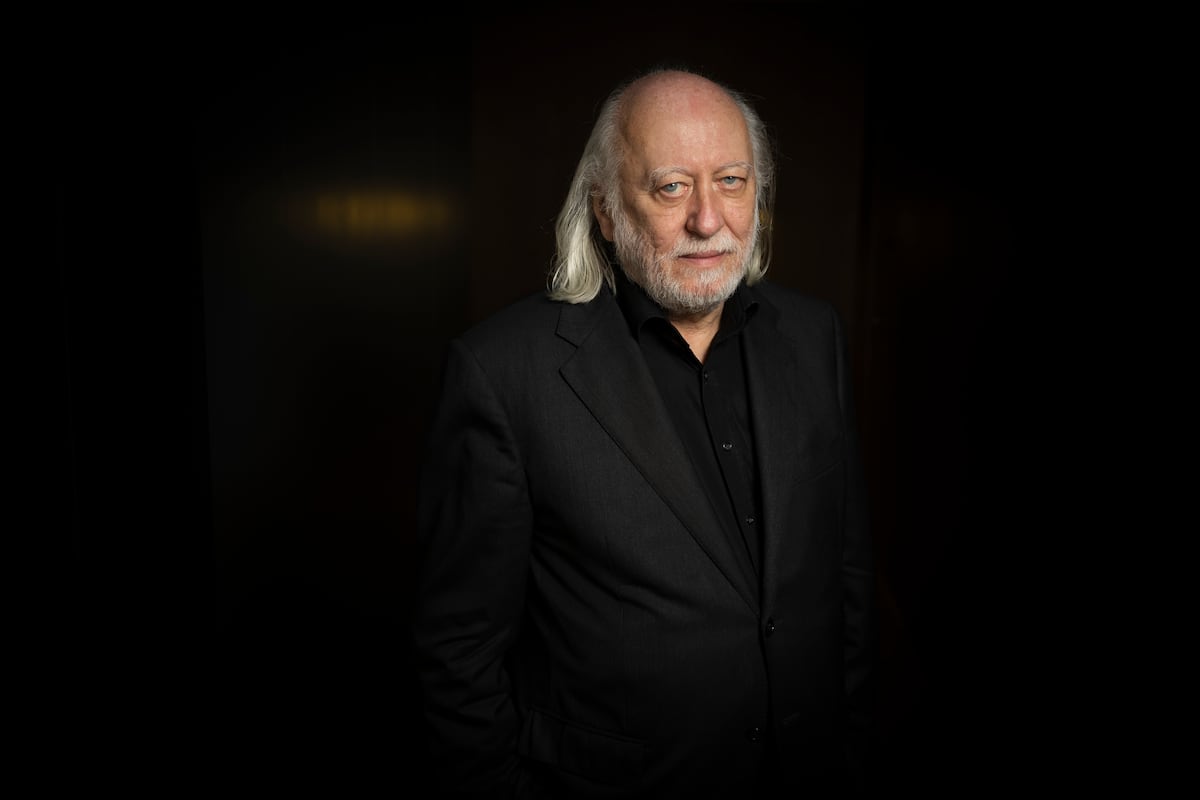
Hungarian Nobel Prize-winning author László Krasznahorkai discusses his literary philosophy in an interview at Barcelona's CCCB. He explicitly denies that elements in his works, such as the whale in The Melancholy of Resistance, carry symbolic meaning. Krasznahorkai clarifies that he dislikes symbols and parables in literature, though he appreciates French Symbolist poetry. He explains that in Satantango, tango is simply a dance characters perform while waiting for a miracle, not a metaphorical representation. His new book Spadework for a Palace features references to Melville, Malcolm Lowry, and architect Lebbeus Woods. Krasznahorkai expresses concern about Hungary's political situation while maintaining an approachable demeanor during the conversation.
Read at english.elpais.com
Unable to calculate read time
Collection
[
|
...
]