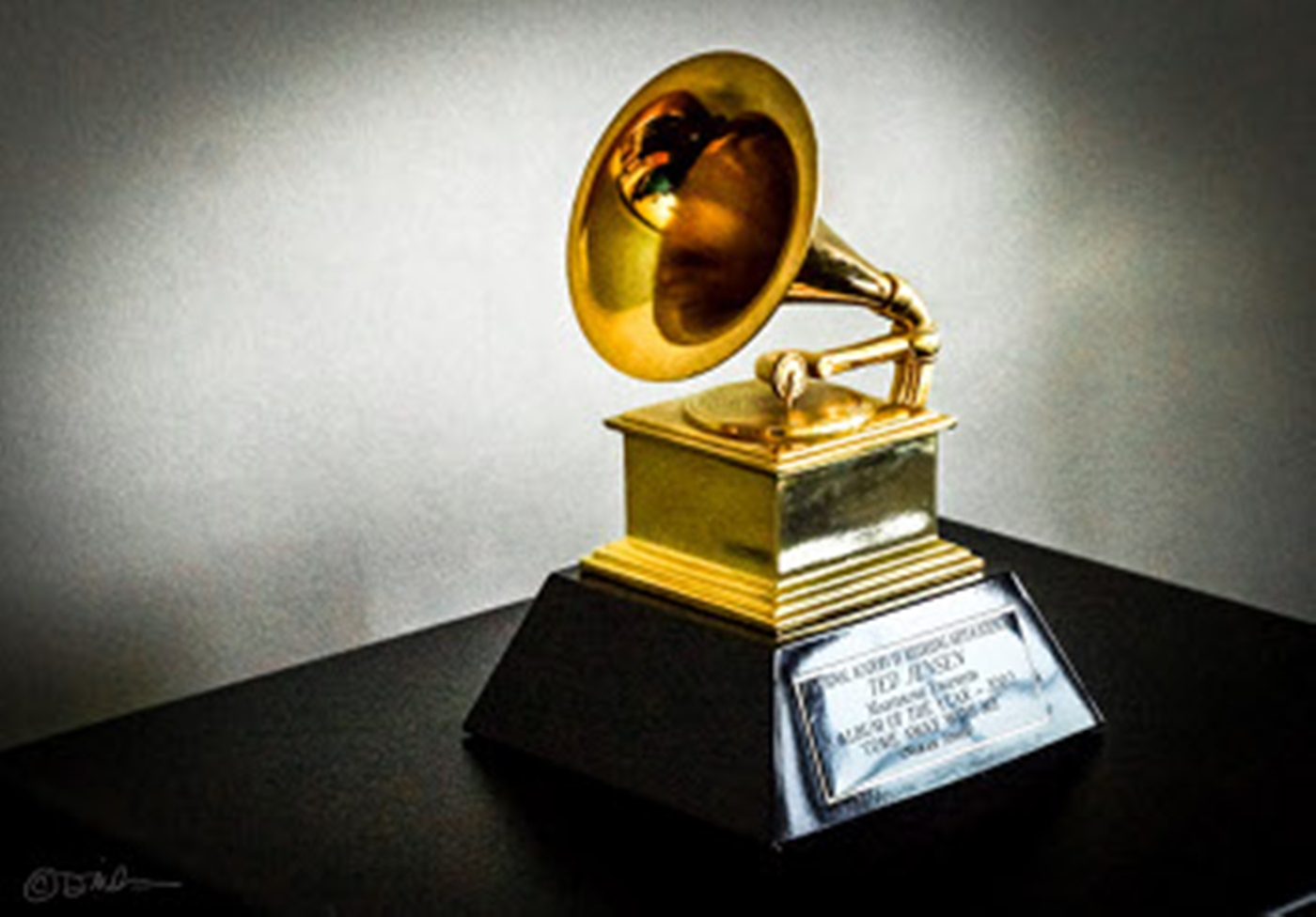
"The Recording Academy just made a move that's splitting the music world down the middle. Their stance on AI-generated music promises to protect human creativity-but the guidelines? They've opened more questions than they've answered. The declaration sounds straightforward: only music with "significant human creative contribution" qualifies for Grammy consideration. Dig into the details, though, and you'll find a policy so riddled with ambiguity that artists, producers, and industry insiders are left guessing where the boundaries actually lie."
"At a moment when algorithms compose melodies, generate lyrics, and clone legendary voices with eerie precision, the Academy confronts an identity crisis that could fundamentally redefine what music means. The human league The Recording Academy's announcement wants a clear distinction between authentic artistry and machine-generated content. Take a songwriter who generates chord progressions through AI, then layers original lyrics and melodies on top."
The Recording Academy adopted a requirement that only music with significant human creative contribution qualifies for Grammys, but the rule lacks clear definition and creates widespread ambiguity. Common studio practices often rely on AI-assisted tools, including auto-tune, DAW intelligent features, AI-generated chord or lyric prompts, mixing assistants, and voice-cloning, which complicate enforcement. Practical scenarios — AI-generated chord progressions with human melodies, AI-assisted mixing with micro-adjustments, and pitch correction reshaping vocals — blur the line between acceptable assistance and disqualifying generation. The policy assumes a clean boundary that modern recording workflows do not support, leaving eligibility uncertain.
Read at TechRepublic
Unable to calculate read time
Collection
[
|
...
]