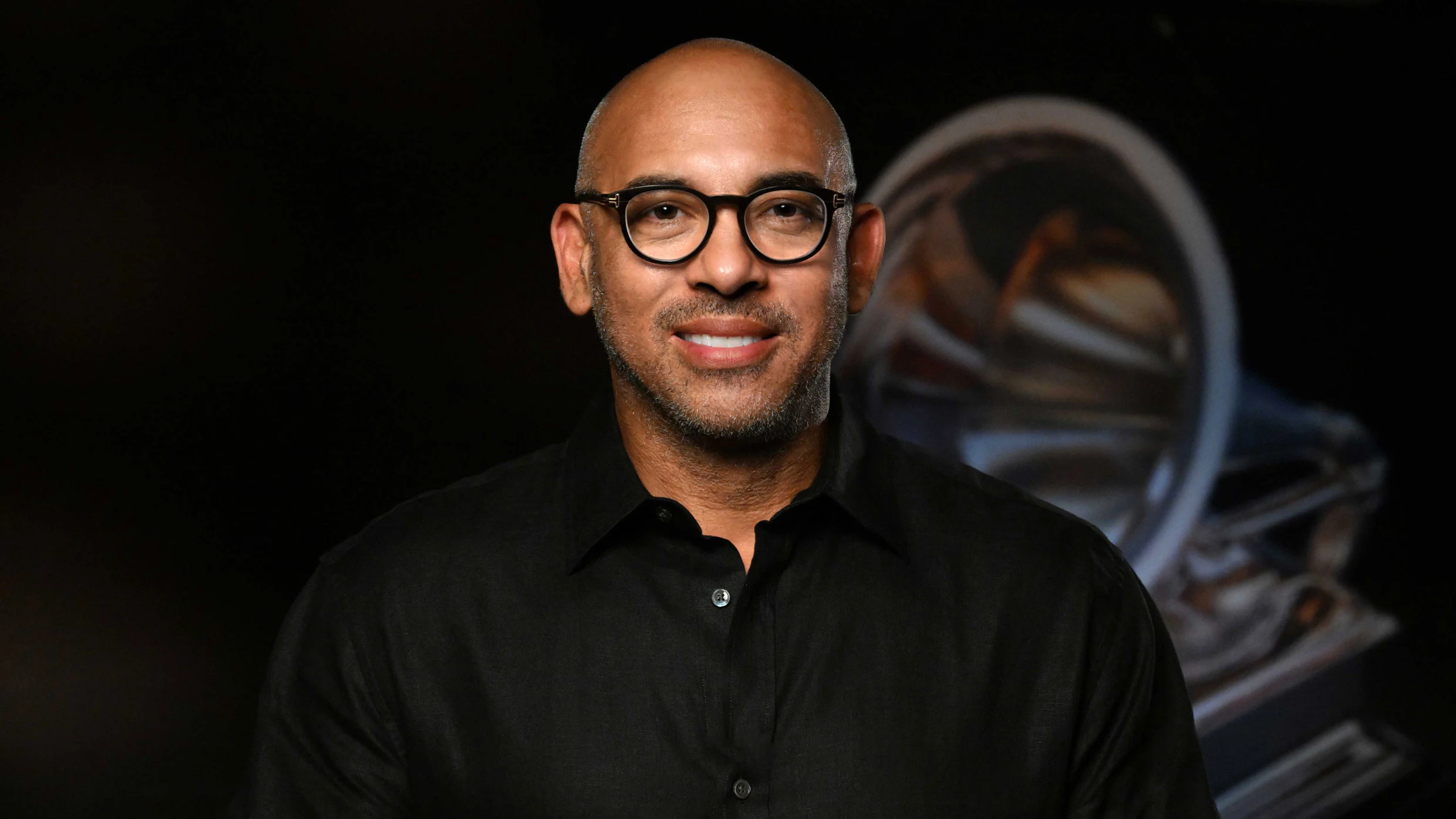
"The Grammy Awards return February 1 at a pivotal moment for the music industry, one shaped by trending Latin artists, resurgent rock legends, and even charting AI acts. To unpack what will make this year's broadcast distinctive, the Recording Academy CEO Harvey Mason Jr. shares how Grammy winners are chosen, and how music both reflects and influences the broader business marketplace."
"This is an abridged transcript of an interview from Rapid Response, hosted by former Fast Company editor-in-chief Robert Safian. From the team behind the Masters of Scale podcast, Rapid Response features candid conversations with today's top business leaders navigating real-time challenges. Subscribe to Rapid Response wherever you get your podcasts to ensure you never miss an episode. This year's Grammy Awards come at an intriguing inflection point for the music business."
"The Grammy nominees are meant to reflect the marketplace, and that's our hope, but it really reflects the voters' will. And you don't know what's going to resonate with the voting body year over year. We have roughly 15,000 voting members. Those members are all professional music people, whether they're writers or arrangers or producers or artists. So they're the peers of the people that are being nominated."
The Grammy Awards return on February 1 amid major shifts in the music industry driven by trending Latin artists, resurgent rock legends, and charting AI acts. Winners are chosen by roughly 15,000 voting members who are professional music peers including writers, arrangers, producers, and artists. Nominations are intended to reflect marketplace trends but ultimately mirror the voting body's preferences, which can produce surprising outcomes. The voting membership's peer evaluation determines nominees and winners. The broadcast's distinctiveness will depend on contemporary musical trends and how voters' tastes align with wider cultural influence.
Read at Fast Company
Unable to calculate read time
Collection
[
|
...
]