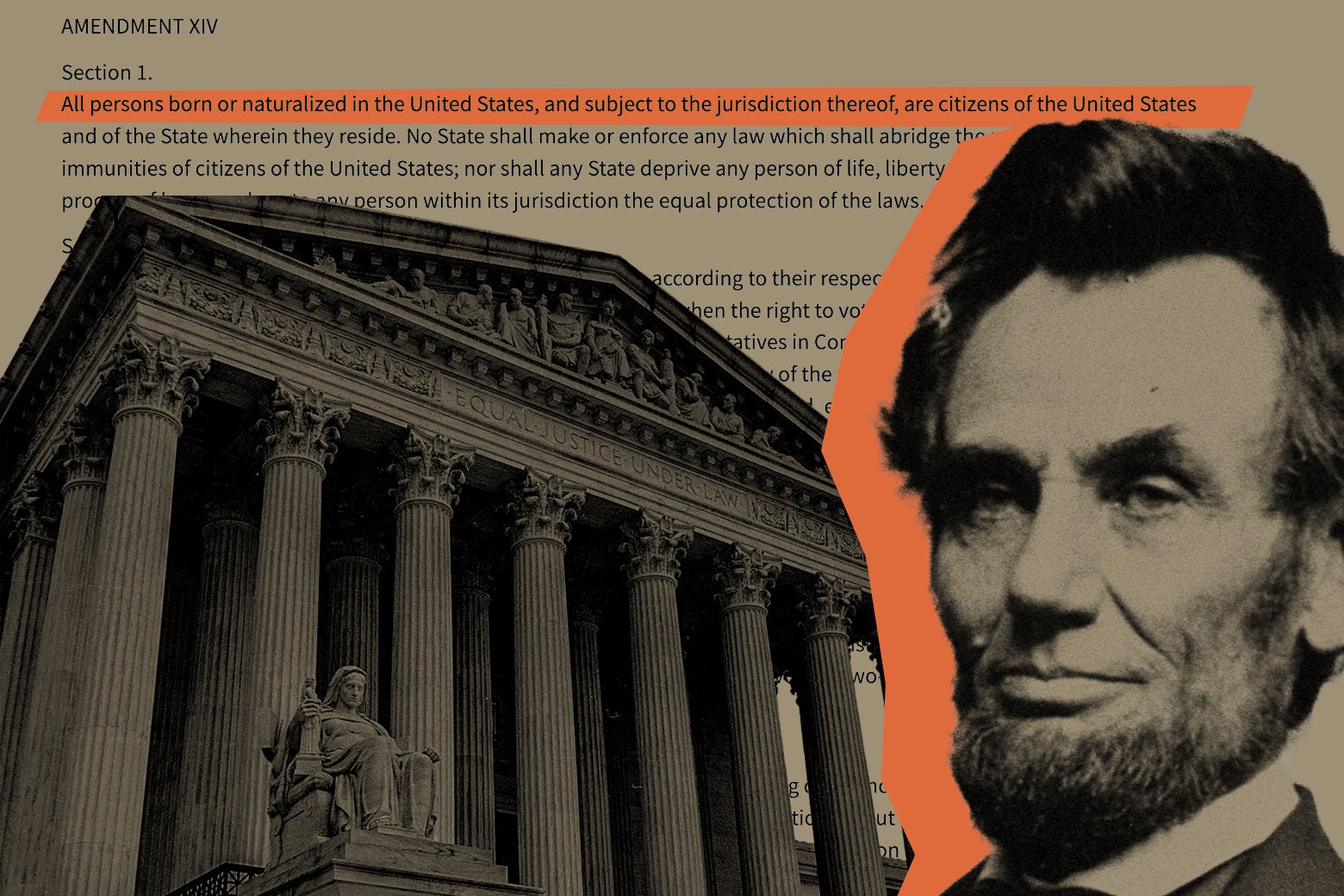
"In the 1844 case, Judge Lewis Sandford held that Julia Lynch, the child of Irish parents who was born during their "temporary sojourn" in New York, was a U.S. citizen. The issue arose amid a heated battle over the fate of Lynch & Clarke, a firm that sold bottled spring water from Saratoga Springs to New York City residents in the early 1800s."
"On April 1, the Supreme Court hears oral argument in Trump v. Barbara, a class-action lawsuit challenging the Trump administration's executive order seeking to end birthright citizenship for certain people. Lawyers will discuss the 14th Amendment's citizenship clause and the history that led to its ratification, relating to the Trump administration's claim that birthright citizenship doesn't apply to children of "undocumented" or "temporarily present" noncitizens."
"Lynch v. Clarke has become incredibly important. Indeed, it may be instrumental in determining the fate of millions of American-born infants. In New York, as in many other states at the time, noncitizens could not inherit land, making Julia's citizenship status critical to her inheritance rights."
The Supreme Court will hear Trump v. Barbara on April 1, examining whether the Trump administration's executive order can end birthright citizenship for children of undocumented or temporarily present noncitizens. The case centers on the 14th Amendment's citizenship clause and whether parents must establish permanent domicile for their children to qualify as citizens. A pivotal 1844 New York inheritance case, Lynch v. Clarke, has become crucial to this debate. Judge Lewis Sandford ruled that Julia Lynch, born to Irish parents during their temporary stay in New York, was a U.S. citizen. This precedent may significantly influence the outcome affecting millions of American-born infants.
Read at Slate Magazine
Unable to calculate read time
Collection
[
|
...
]