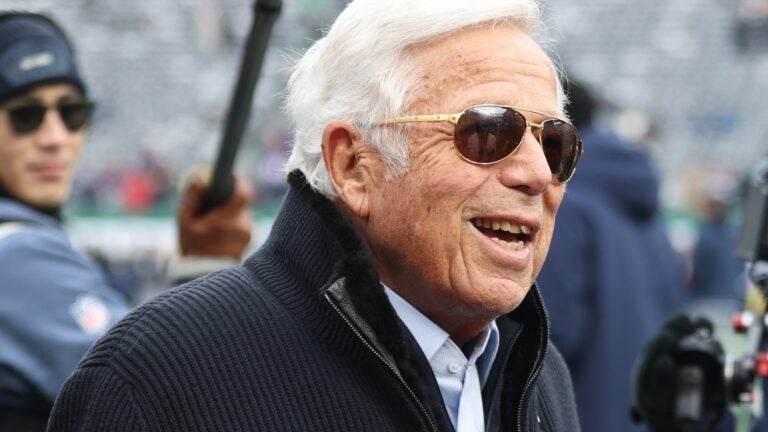
""I realized that Buffalo had gone to four straight Super Bowls the year before we bought," Kraft said. "It made me realize that I never wanted to have a dome. Even though they didn't win any of the finals, they won games because the players don't like coming up into a cold place like that. How many of those indoor teams in the playoffs want to come here and play outdoors? With the salary cap, you've got to look at every competitive advantage you can.""
""I think the Broncos have (competitive advantage) with their altitude," Kraft said. "That's something that - look, Tommy lost three games up there. Think about that.""
Robert Kraft rejected building a dome at Gillette Stadium to preserve cold-weather home-field advantages. Buffalo's run to four straight Super Bowls convinced Kraft that indoor teams struggle when forced to play outdoors in cold conditions. Eleven NFL franchises currently play in domed stadiums, creating situations where outdoor environments can be a distinctive edge. Altitude at Empower Field at Mile High also creates an environmental advantage, illustrated by Tom Brady's 0-3 road playoff record there. A loud Gillette crowd and light snow helped disrupt the Texans' offense in a divisional playoff game, producing turnovers and a stalled run game. With the salary cap limiting roster construction, environmental edges become strategically important.
Read at Boston.com
Unable to calculate read time
Collection
[
|
...
]