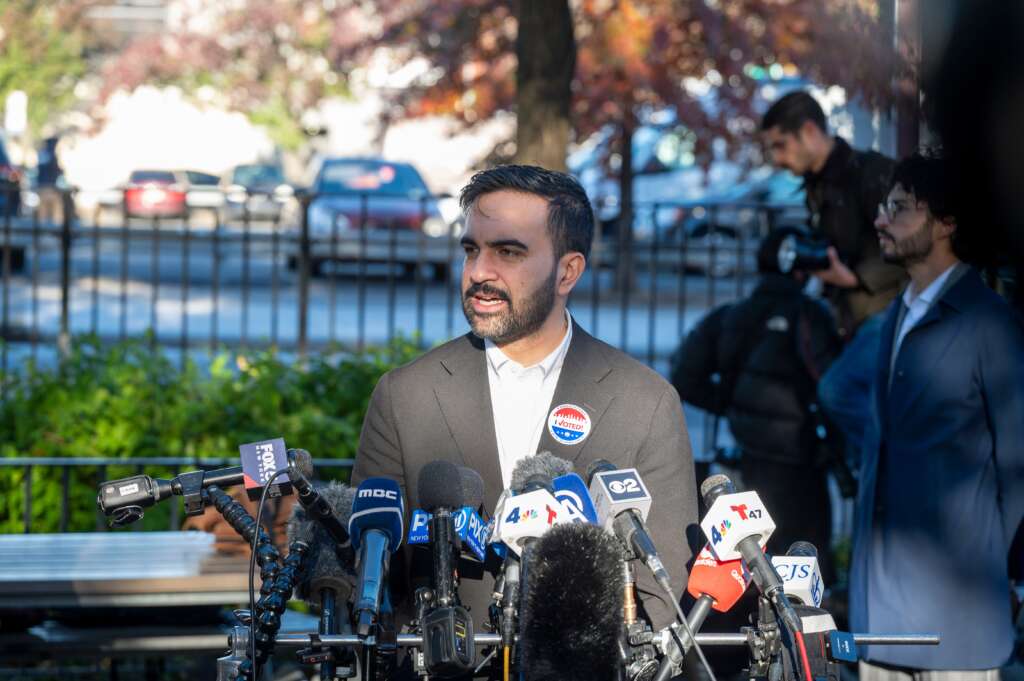
"When New Yorkers elected Zohran Mamdani as mayor in 2025, they did more than choose a political direction. They issued a mandate for structural change on housing, transit, affordability, and safety. Early voting check-ins reached historic levels, according to the NYC Board of Elections, and more than two million ballots were cast in the mayoral election, the highest turnout in at least 50 years."
"Public mood entering the 2025 election was conflicted. On one hand, turnout surged. On the other, confidence in the systems that shape daily life remained low. Only 34 percent of New Yorkers rated overall quality of life as excellent or good, according to the Citizens Budget Commission's 2025 Resident Survey. Meanwhile, the Five Borough NYC People's Pulse found that residents feel deeply rooted in their neighborhoods but remain worried about affordability, mental health and safety, and are skeptical that institutions can respond."
"This mix of local attachment and institutional doubt reveals a deeper problem. New Yorkers care about their communities. They are showing up. But they do not trust that public systems can keep pace with the scale of their expectations. Civic infrastructure is the set of systems, relationships, and communication channels that allow residents to understand public decisions, participate in shaping them, and hold institutions accountable. It is not abstract."
Zohran Mamdani’s 2025 mayoral victory carried a mandate for structural change across housing, transit, affordability, and safety, backed by historic turnout exceeding two million ballots. Public sentiment entering the election was conflicted: voter engagement rose while confidence in public systems remained low, with only 34 percent rating quality of life as excellent or good and widespread concern about affordability, mental health, and safety. Civic infrastructure consists of systems, relationships, and communication channels that let residents understand decisions, participate in shaping policy, and hold institutions accountable. Strong civic infrastructure enables organization, trust, and durable policy implementation; weak infrastructure causes even good ideas to falter.
Read at City Limits
Unable to calculate read time
Collection
[
|
...
]