"The recovered recordings not only allow us to follow whale sounds, but they also tell us what the ocean soundscape was like in the late 1940s. That's very difficult to reconstruct otherwise. A preserved recording from the 1940s can also help scientists better understand how new human-made sounds, such as increased shipping noise, affect the way whales communicate."
"The ocean of the late 1940s was much quieter than the ocean of today, providing a different backdrop than scientists are used to hearing for whale song. Research published by the National Oceanic and Atmospheric Administration states that whales can vary their calling behavior depending on noises in their environment."
"Woods Hole scientists on a research vessel at the time were testing sonar systems and performing acoustic experiments along with the US office of naval research when they captured the sound. The scientists didn't know what they were hearing, but they decided to record and save the sounds anyway."
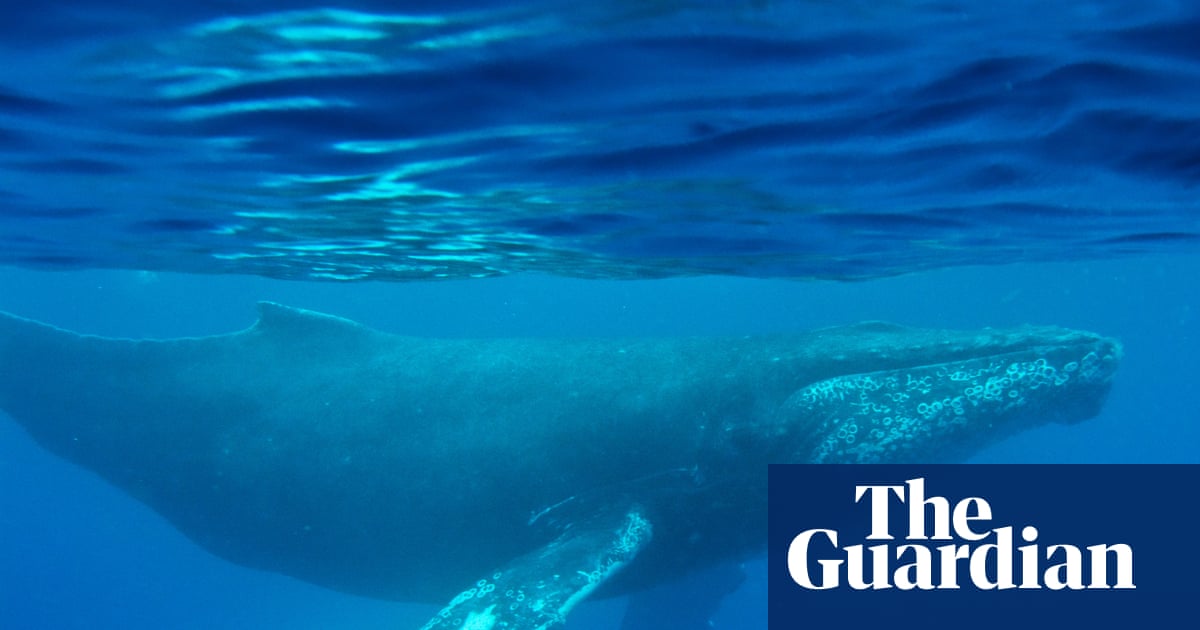
Researchers at Woods Hole Oceanographic Institution discovered the oldest known recording of humpback whale song, captured in March 1949 in Bermuda during sonar testing. The recording predates Roger Payne's famous whale song discovery by nearly 20 years. Beyond the whale vocalization itself, the audio captures the ocean soundscape of the late 1940s, which was significantly quieter than today's ocean. This historical recording enables scientists to understand how whale communication has adapted to increased human-made noise, particularly shipping sounds. The preserved audio provides a rare baseline for reconstructing past ocean conditions and studying how environmental acoustic changes influence whale behavior and communication patterns.
#whale-communication #historical-audio-recording #ocean-soundscape #marine-bioacoustics #human-made-noise-pollution
Read at www.theguardian.com
Unable to calculate read time
Collection
[
|
...
]