"Sawdust is a material that manages to be simultaneously everywhere and underused, treated as a combustion problem when it is, by the structural logic of its wood fibers, one of the more cooperative raw materials on earth."
"Doctoral researcher Ronny Kürsteiner spent his thesis developing a process to bind sawdust particles with struvite, using an enzyme derived from watermelon seeds to control how the crystals grow into the sawdust matrix."
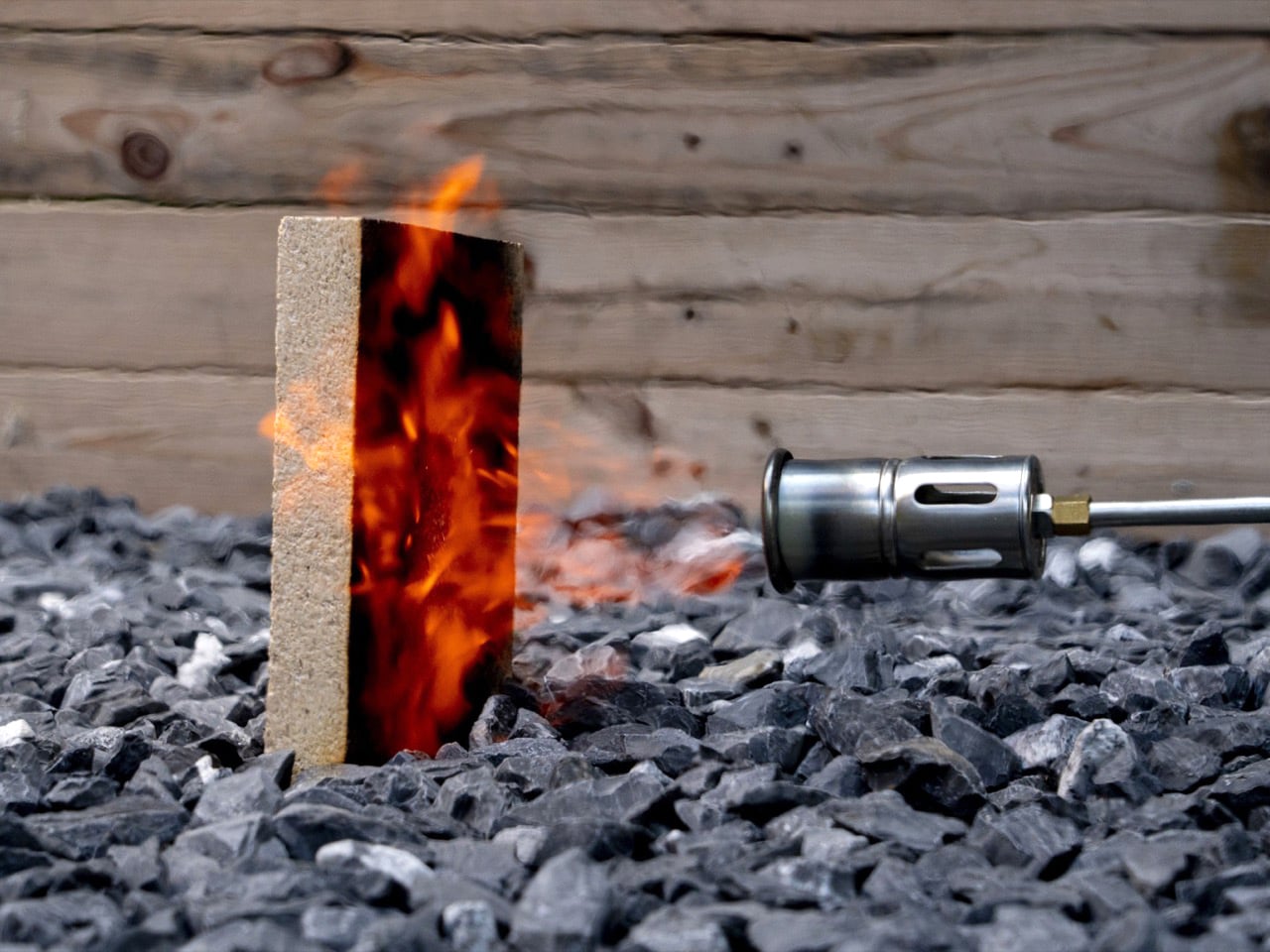
"What comes out of the mold is a composite panel stronger in compression than spruce timber, capable of resisting a direct flame for more than three times as long as untreated wood, and fully recyclable at the end of its service life."
Sawdust, a byproduct of wood processing, is often burned, releasing carbon back into the atmosphere. Researchers at ETH Zurich and Empa have developed a method to bind sawdust with struvite using an enzyme from watermelon seeds. This process creates a composite panel that is stronger in compression than spruce timber and has enhanced fire resistance. The innovative use of large interlocking crystals allows for better mechanical stability, making the panels fully recyclable at the end of their life cycle.
Read at Yanko Design - Modern Industrial Design News
Unable to calculate read time
Collection
[
|
...
]