"I watched my mom and the attitude she takes to life. She always believes there is a 'better' coming; even if you can't see it now, it is coming soon."
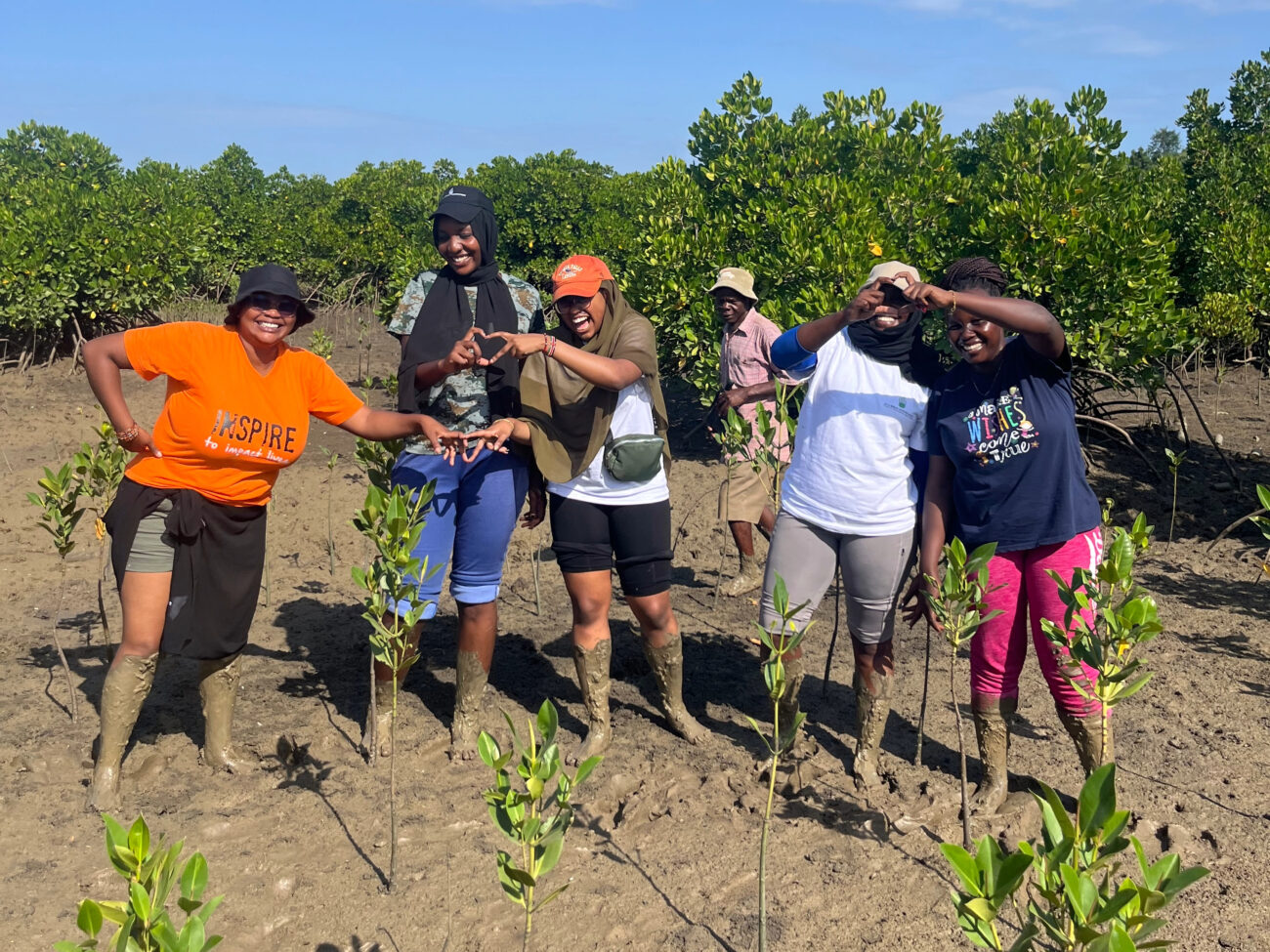
"We walked through the marsh, and the soil was so dark it was almost gray. It swallowed my legs up to my knees; we all had to hold hands not to sink in."
"Mangroves are salt-tolerant and thrive in intertidal zones. Their roots stabilize coastlines, buffer storm surges and store remarkable amounts of carbon: up to 10 times more than terrestrial forests."
"They were technically reporting to me—an undergraduate student—while struggling to find stable work in Kenya's fragmented job market."
Allison Karabu, a student in the M.S. in Climate program at Columbia Climate School, emphasizes community resilience learned from her mother. Her interest in climate work deepened during a summer internship in Kenya, where she engaged in mangrove reforestation. The internship involved GIS mapping to track restoration efforts, highlighting the ecological importance of mangroves. Karabu noted the challenges faced by local environmental scientists in Kenya's job market, despite their qualifications, which underscored the complexities of climate work and community support.
#climate-resilience #community-support #mangrove-reforestation #environmental-science #interdisciplinary-work
Read at State of the Planet
Unable to calculate read time
Collection
[
|
...
]