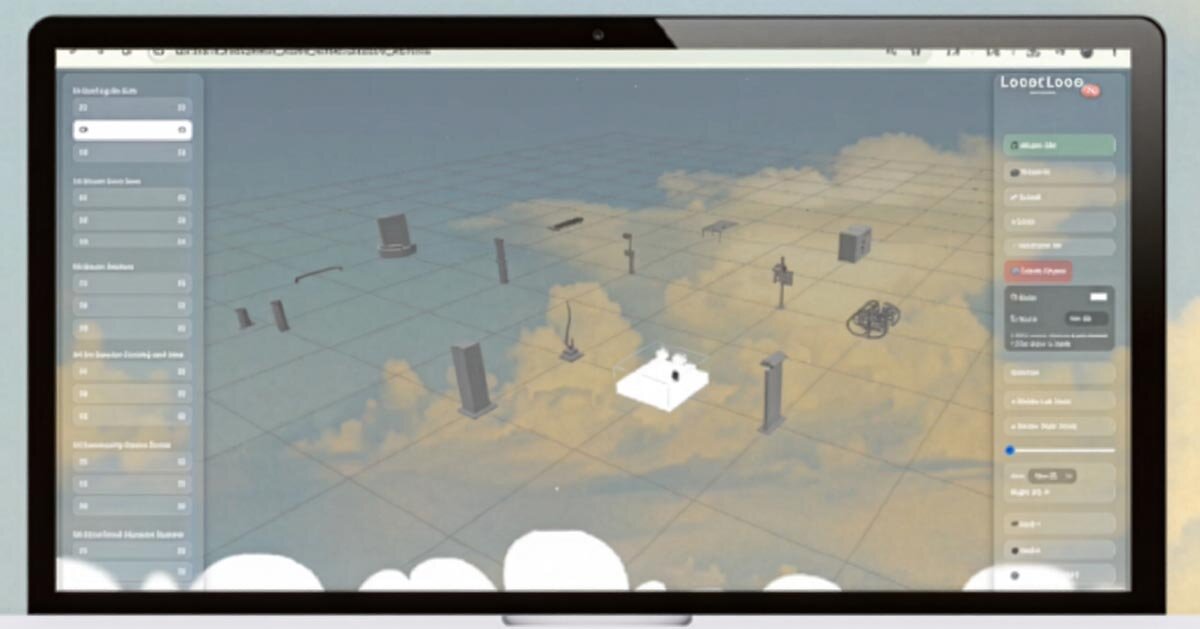
"LocalloopBKK is a participatory design tool developed in Bangkok to translate community input into spatial proposals for public space. Created by Prapawit Intun / Participatory Citizen Lab, the platform combines participatory research methods with AI-assisted design tools to support collaboration between residents, designers, and policymakers. The system explores how local needs, environmental conditions, and social feedback can be converted into structured inputs for urban design."
"LocalloopBKK collects community feedback and organizes it into categories relevant to public space design. These include comfort, use and service, circulation and wayfinding, lighting and utilities, safety and control, and decoration and aesthetics. The collected information is then translated into prompts that guide AI-assisted design generation. The platform's workflow combines prompt design, 3D asset generation, spatial optimization, database storage, and frontend visualization."
"Based on the prompts derived from community feedback, the system produces modular public-space components and spatial layout proposals. These elements can be assembled into preliminary design scenarios that reflect the priorities expressed by participants. The generated outputs are organized within a digital dashboard that displays spatial proposals and related data."
LocalloopBKK is a participatory design platform developed in Bangkok that converts community input into spatial proposals for public spaces. Created by Prapawit Intun and the Participatory Citizen Lab, it combines participatory research methods with AI-assisted design tools to facilitate collaboration between residents, designers, and policymakers. The system collects community feedback through workshops, interviews, and engagement activities, organizing responses into design-relevant categories including comfort, circulation, lighting, safety, and aesthetics. These inputs are processed through a digital workflow that generates modular public-space components and spatial layout proposals. The platform's interface displays spatial proposals and data patterns, enabling identification of community preferences across different neighborhoods to inform urban design decisions.
#participatory-design #ai-assisted-urban-planning #community-engagement #public-space-design #digital-tools
Read at designboom | architecture & design magazine
Unable to calculate read time
Collection
[
|
...
]