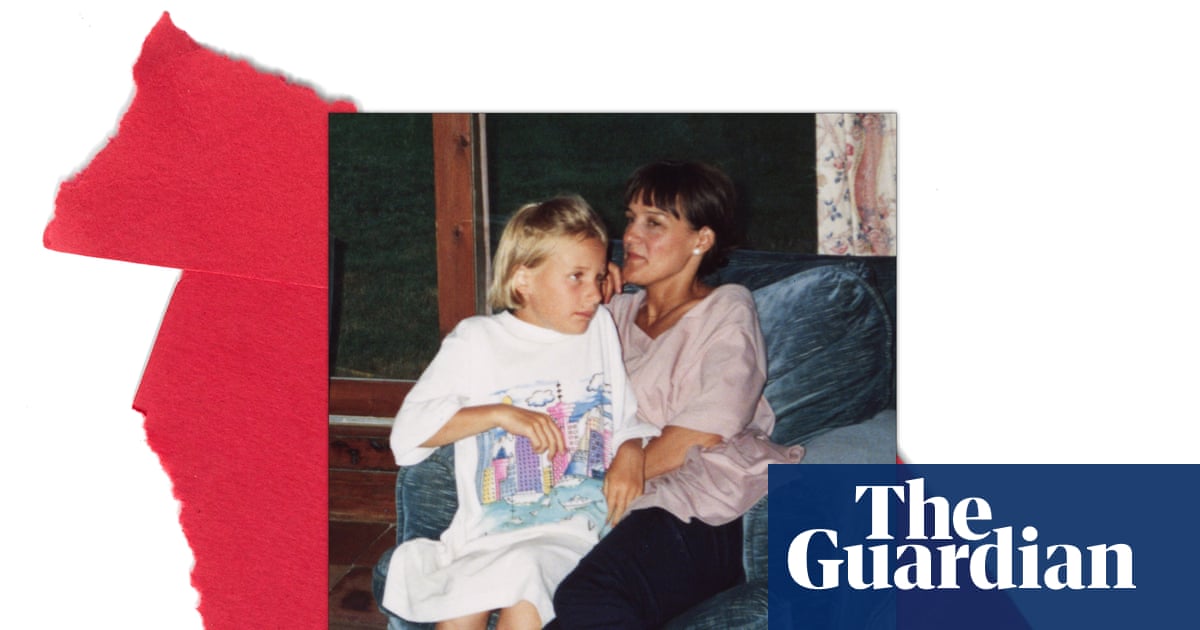
"Having children, she told me, meant she'd always had a little friend. Or, in the case of me and my sister, two friends. As a result, she rarely felt lonely. From a young age, she would take us to galleries, to the supermarket, sometimes to work. Normal parenting stuff. Except she was divorced and largely on her own, so it would just be us, and she would talk to us like we were old friends."
"I now have two children myself, though I came close to not having any at all, and of course that would have been fine. I don't know how much her advice played into my decision, though I imagine on some level the emotional resonance of what she said twisted my arm, twice."
"In some ways, her advice was terrible. My sons make me angrier than any friend I've ever had. They demand an inconceivable amount of time, and intuitively know my weaknesses and how to exploit them."
The author recalls her mother describing the best aspect of having children as always having a friend, which shaped her perspective on motherhood. Her mother raised her and her sister largely alone after divorce, treating them as confidants and companions from an early age. Though initially distant from parenthood at age 30, the author eventually had two children, influenced partly by her mother's words about emotional connection. However, she acknowledges her circumstances differ significantly—she wanted a complete family rather than motherhood alone, and she faces modern concerns about environmental destruction and global instability. The author reflects that while her mother's advice resonated emotionally, motherhood proves more challenging than friendship, with her sons demanding extensive time and emotional energy.
Read at www.theguardian.com
Unable to calculate read time
Collection
[
|
...
]