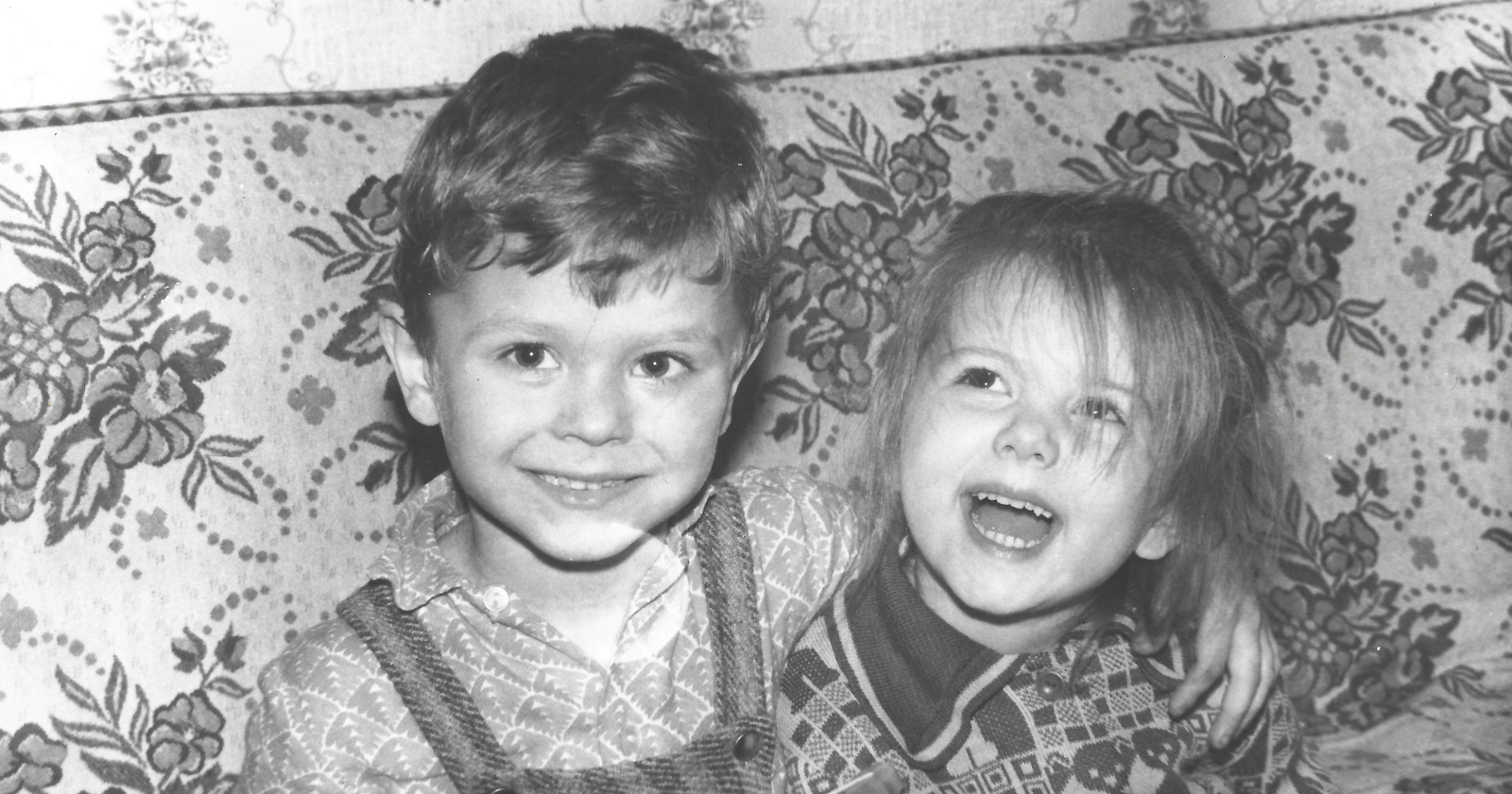
"We built forts in the woods behind the school. We played pickup baseball until it got too dark to see the ball. We got into arguments, sometimes fights, and figured it out ourselves. No adult referees. No conflict resolution workshops. Just kids working things out the way kids do when nobody's watching."
"Research shows that exposure to manageable stressors can enhance children's resilience, similar to how the immune system strengthens through controlled challenges. Except back then, nobody called it 'manageable stressors.' They called it childhood."
"The scrapes and bruises weren't accidents to be prevented. They were just part of growing up. You fell off your bike, you got back on."
Childhood experiences in the sixties and seventies involved independence and self-reliance. Children navigated their own challenges without adult supervision, learning resilience through manageable stressors. Activities included unsupervised play, building forts, and engaging in sports. Failures, like a sinking raft, provided valuable lessons. Scrapes and bruises were seen as normal parts of growing up, contributing to personal growth and resilience. The contrast with modern childhood, characterized by constant adult oversight and technology dependence, emphasizes the importance of unstructured play in developing life skills.
Read at Silicon Canals
Unable to calculate read time
Collection
[
|
...
]