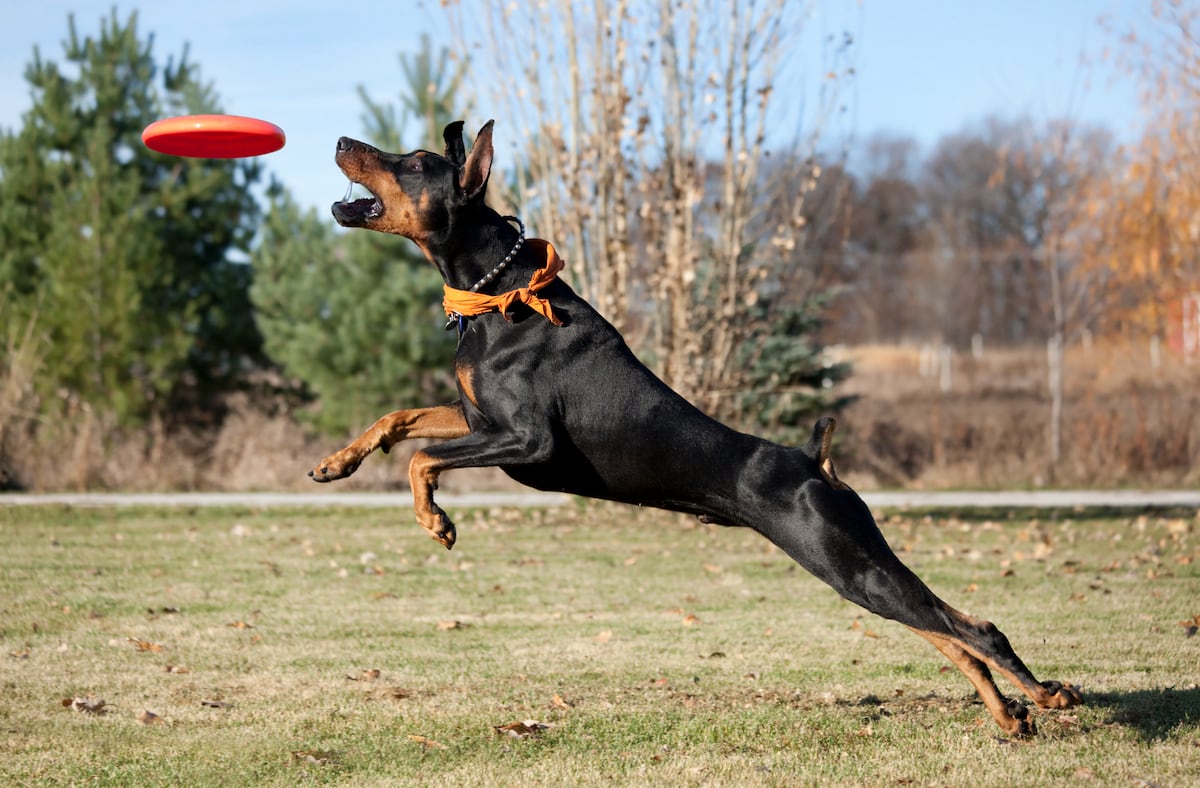
"As a specialist in pet behavior, especially dogs and cats, I often get the question of how people can tell if an animal is happy if it has no tail to wag. My answer is that the tail serves a communicative purpose in all animals, but not only that. Many also use it to keep their balance. That is to say, it's related to the biomechanics of their bodies and it helps them move around."
"The first thing we should ask ourselves is why some animals that normally should have a tail, don't. There could be several reasons. It could be congenital, meaning it was born without one due to a genetic defect. It could also be due to deliberate genetic selection, meaning breeders have created a tailless breed, such as French bulldogs or Boston terriers, and even some cat breeds. Another reason could be amputation due to a medical problem or for cosmetic reasons."
"If it's not due to amputation, which can cause chronic pain throughout their lives, it affects their balance, although they may compensate in other ways and live completely normal lives. But the main impact is on communication. That is why it's very important to understand that both dogs and cats don't communicate only with their tails; they have other ways of letting us know the emotions they're feeling."
The tail functions both as a communicator and as a balance aid tied to an animal's biomechanics. Some animals are tailless because of congenital defects, deliberate breed selection (for example French bulldogs, Boston terriers, and some cat breeds), or amputation, which is illegal for cosmetic reasons and can cause chronic pain. Absence of a tail can affect balance, though many animals compensate and live normally. The primary impact is on social signaling: dogs and cats use facial expressions, body posture, and vocalization alongside tail signals. Interpreting emotions requires reading combinations of signals rather than relying solely on tail position.
Read at english.elpais.com
Unable to calculate read time
Collection
[
|
...
]