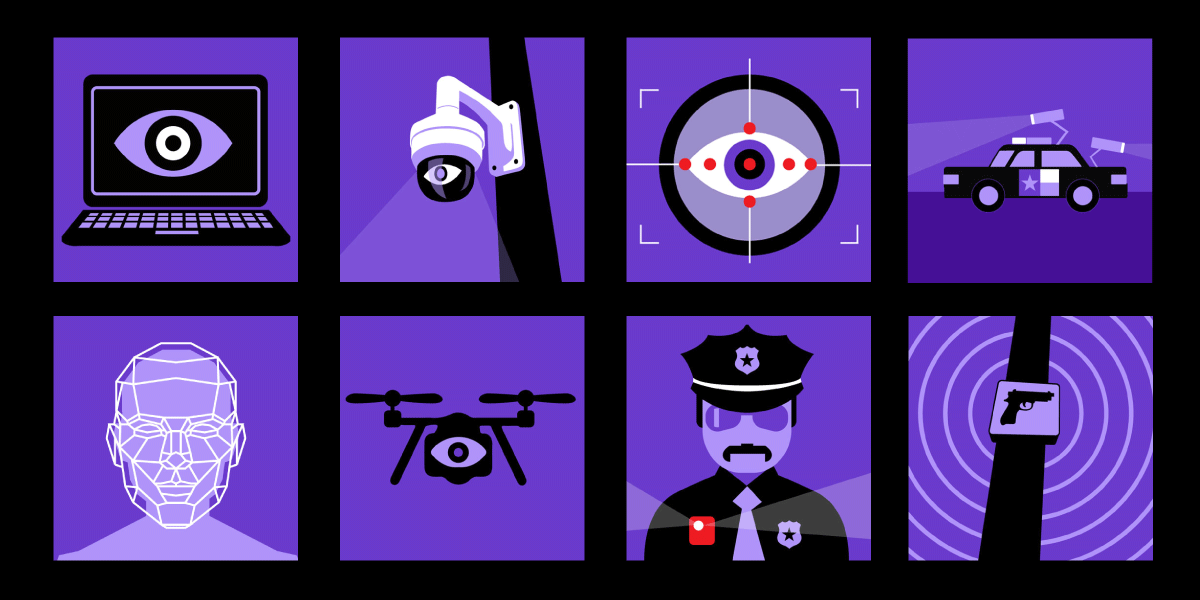
"The cost of "free" surveillance tools is measured not in tax dollars, but in the erosion of civil liberties. The collection and sharing of our data quietly generates detailed records of people's movements and associations that can be exposed, hacked, or repurposed without their knowledge or consent. Those records weaken sanctuary and First Amendment protections while facilitating the targeting of vulnerable people."
"Cities can and should use their power to reject federal grants, vendor trials, donations from wealthy individuals, or participation in partnerships that facilitate surveillance and experimentation with spy tech. If these projects are greenlit, oversight is imperative. Mechanisms like public hearings, competitive bidding, public records transparency, and city council supervision aid to ensure these acquisitions include basic safeguards - like use policies, audits, and consequences for misuse - to protect the public from abuse and from creeping contracts that grow into whole suites of products."
"Clear policies and oversight mechanisms must be in place using any surveillance tools, free or not, and communities and their elected officials must be at the center of every decision about whether to bring these tools in at all. Here are some of the most common methods "free" surveillance tech makes its way into communities. Trials and Pilots The public may have no idea that a pilot program for surveillance technology is happening in their city."
Free surveillance technologies such as ALPRs, networked cameras, face recognition, drones, and data aggregation platforms erode civil liberties. The collection and sharing of data generates detailed records of people's movements and associations that can be exposed, hacked, or repurposed without knowledge or consent. Those records weaken sanctuary and First Amendment protections and facilitate targeting of vulnerable populations. Cities can refuse federal grants, vendor trials, donations, or partnerships that enable surveillance experimentation. When projects proceed, robust oversight is essential: public hearings, competitive bidding, public-records transparency, and city council supervision. Clear use policies, audits, and enforceable consequences must protect communities and place elected officials at decision centers.
Read at Electronic Frontier Foundation
Unable to calculate read time
Collection
[
|
...
]