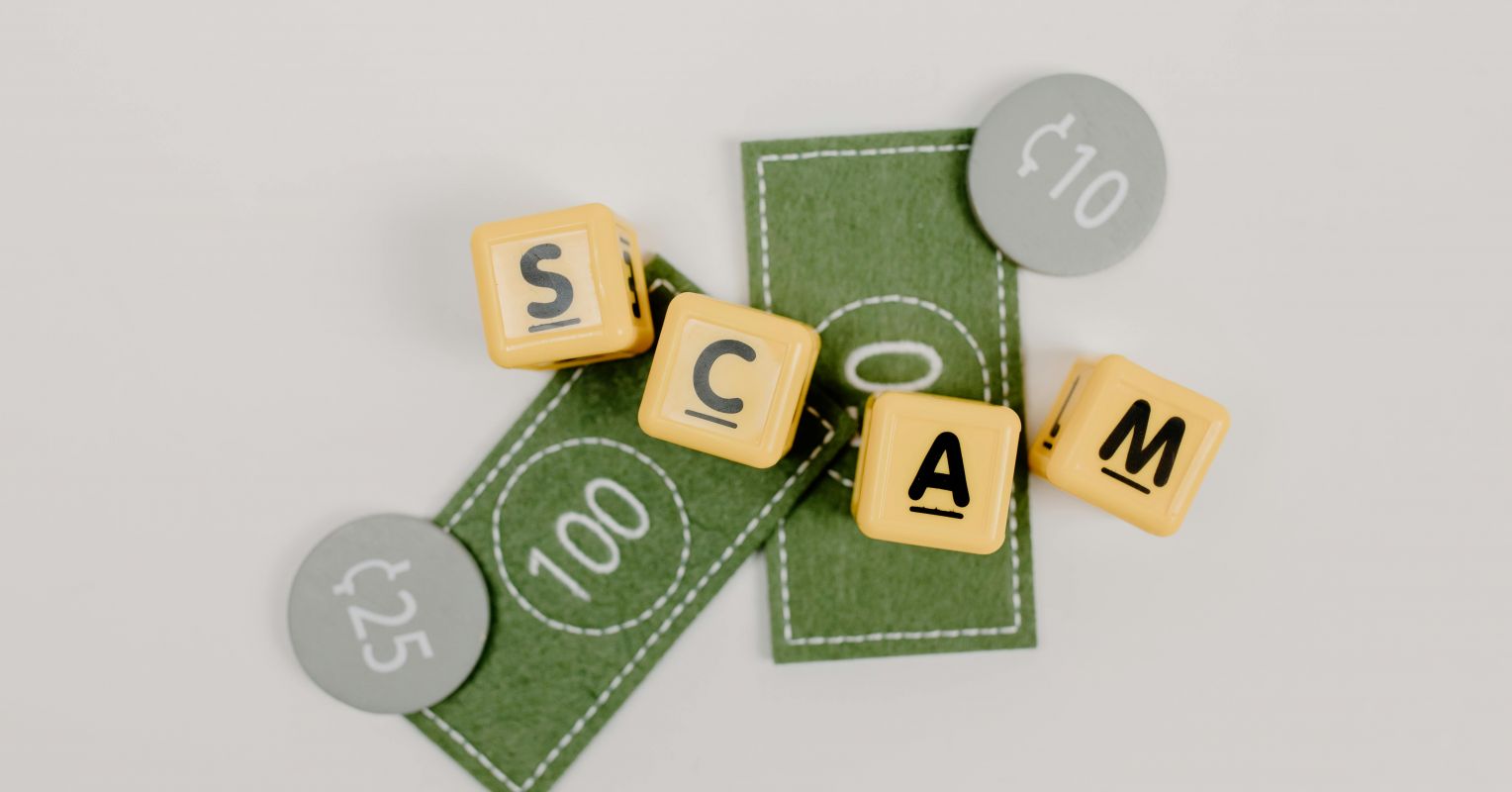
"A scam is an exchange whose purpose is to gain your trust and inspire a sense of urgency by offering the promise of something that doesn't exist, whether that something is money, love, or power."
"Authority or respect for those in power. For example, listening to the advice of your parents, following the rules of a teacher, or - in the case of scams - heeding the warning of a (purported) representative of your bank or financial institution who tells you they need to protect your savings account but requires your password to do so."
"Mary will soon tell you about her family, her personal issues, and her financial woes as she struggles to make a living. You become fast friends, or more than friends if Mary has struck gold and found a willing romantic partner to dupe with this scam."
A scam is an exchange designed to gain trust and create urgency by promising something that doesn't exist—money, love, or power. Research using a Susceptibility to Persuasion Scale identifies specific psychological vulnerabilities that make individuals more prone to falling for scams. Key factors include respect for authority figures, such as parents, teachers, or purported bank representatives, where victims comply with requests like sharing passwords. Social influence and peer pressure also play significant roles in scam susceptibility. The article illustrates common scam tactics through examples like the "wrong number" text, where scammers build relationships and emotional connections before exploiting victims financially or romantically.
#scam-psychology #authority-exploitation #social-engineering #fraud-vulnerability #trust-manipulation
Read at Psychology Today
Unable to calculate read time
Collection
[
|
...
]