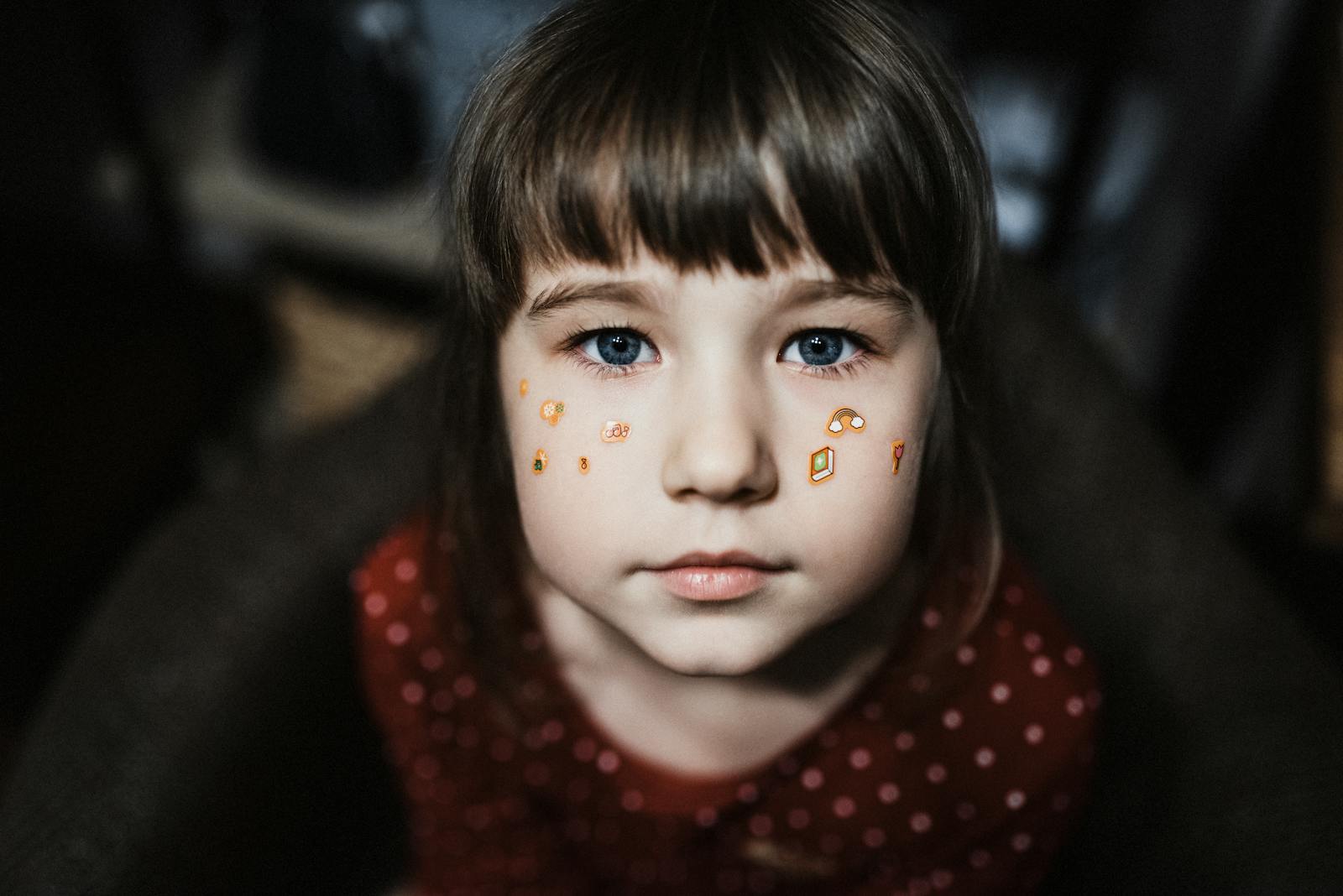
"Those same people can tell you exactly when their father's voice dropped half a register, the specific creak of a floorboard that meant someone was coming down the hall at the wrong hour, or the precise moment a dinner conversation shifted from safe to dangerous. Their memory isn't broken. It was built for a different purpose entirely."
"Memory is curated by what the brain decides matters, and that decision is shaped heavily by emotional intensity and perceived threat. Emotional arousal, particularly fear and danger, acts as a kind of highlighter pen across experience. What gets highlighted gets remembered. What doesn't gets discarded."
"For children growing up in volatile environments, the brain's highlighter is working overtime. Every micro-shift in a parent's mood, every slight change in vocal tone or body language, gets tagged as critical information. The system is doing exactly what it's supposed to do: keeping you alive."
Memory functions as a survival-oriented system rather than a neutral filing cabinet. The brain selectively highlights experiences based on emotional intensity and perceived threat, with fear and danger acting as powerful memory markers. Children in volatile environments develop exceptional sensitivity to subtle environmental cues—vocal tone shifts, body language changes, and mood fluctuations—because their brains prioritize threat detection for survival. This fear-based encoding system works through specific neural circuits that respond to non-painful threat stimuli. While this heightened threat awareness kept vulnerable children safe, it comes at the cost of remembering mundane, non-threatening information, creating the false impression of poor memory.
#memory-and-trauma #neuroscience-of-fear #survival-mechanisms #threat-detection #childhood-adversity
Read at Silicon Canals
Unable to calculate read time
Collection
[
|
...
]