"I was furious and desperate and lonely. I fought with you and Dad in a way no one in the family had ever fought with you before. I remember screaming at you while out on a walk, as you desperately implored me to be quiet because people could hear. I wanted them to hear. I wanted to smash this image of us as a happy family to pieces and I was incredibly successful in doing that."
"I didn't know how to navigate the relationship now that she was technically an adult but to me still so young and vulnerable. I was frightened for her, angry with her (an emotion I didn't want to feel) and furious with myself. Beneath it all lay the shame: I had failed her and our family. The shift from anxious manager to respectful witness is a hard task of parenting adult children"
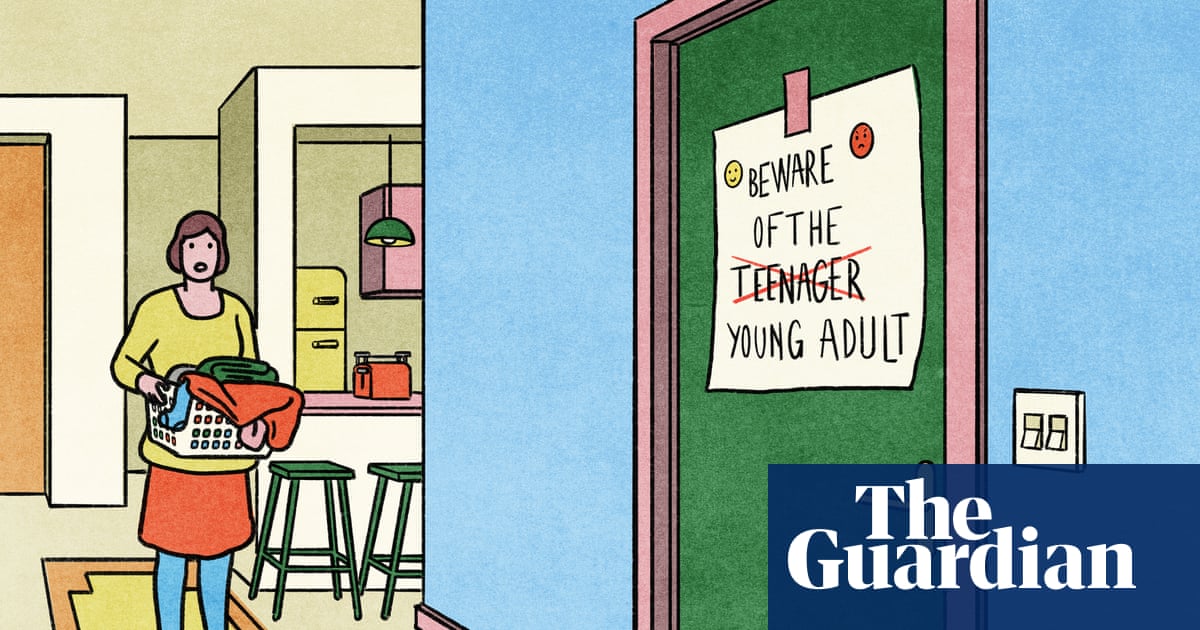
A parent experienced a prolonged, painful crisis when a daughter turned eighteen, despite professional training in child and adult development. The daughter described furious, desperate, and lonely behavior, intense family fights, public screaming, and a desire to shatter the family's happy image. The parent felt frightened, angry, ashamed, and unsure how to navigate a relationship that was legally adult but emotionally immature and vulnerable. Guidance was scarce. New neuroscience from Cambridge indicates adolescent brain development extends into the early thirties, challenging assumptions that maturation ends at eighteen or twenty-five. Extended adolescence presents both vulnerability and opportunity, and parenting does not stop at legal adulthood.
Read at www.theguardian.com
Unable to calculate read time
Collection
[
|
...
]