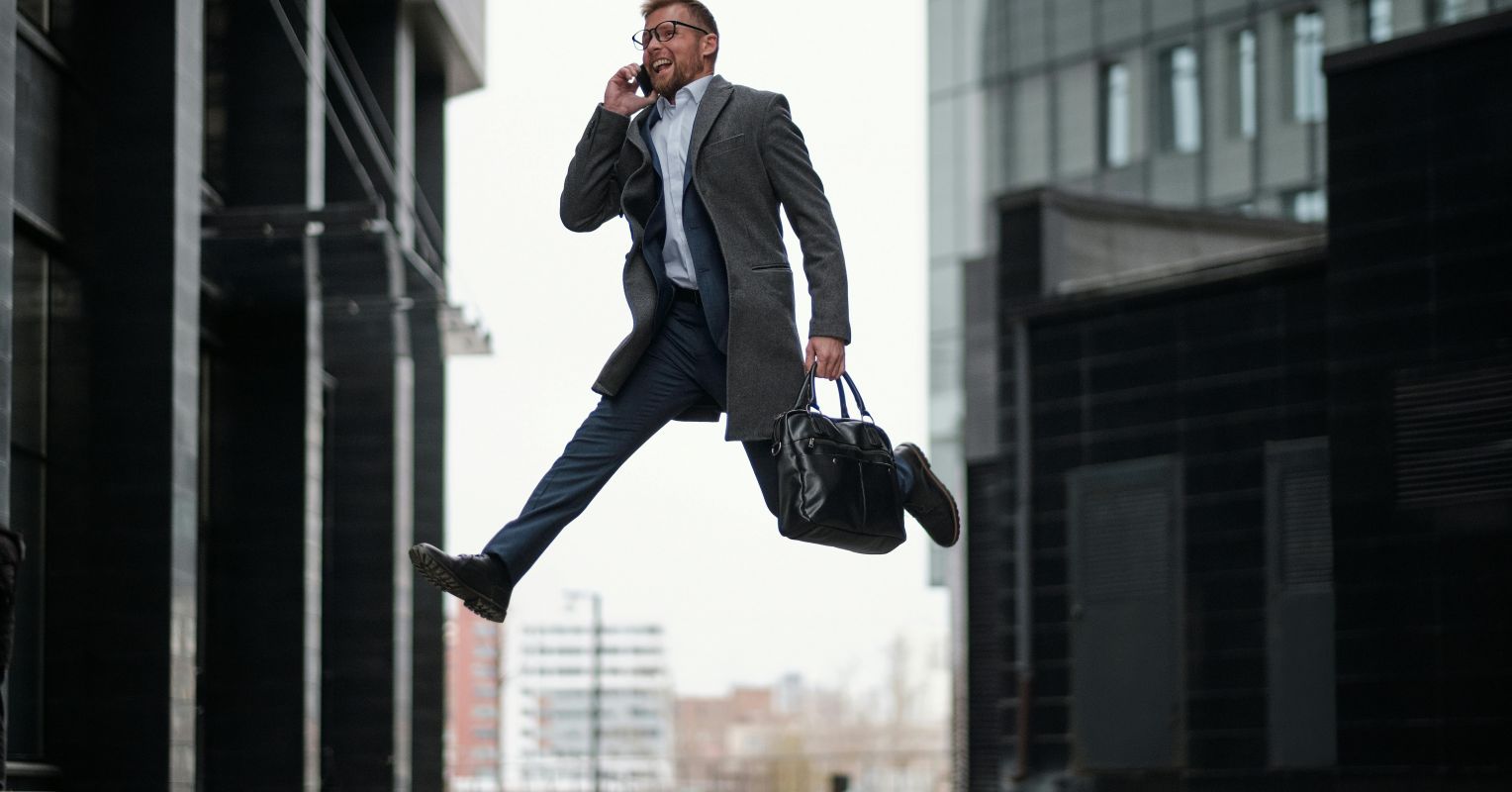
"Fast-forward to 2026, and we are off to the races, the age of information saturation, omnipresent social media influence, and artificial intelligence. The message is-we've gotta have more, do more, and be more. And we've got to get more done in less time. We must remain hypervigilant at all times, lest we fall behind. It seems that we don't have a spark of a chance at true presence and inner peace."
"Our phones buzz, ding, and play show tunes each time there is a notification, yanking us out of the present moment (life itself) and into Make Pretend Land. Work by John Mark Comer found that smartphone users touch their phones 2617 times per day, and this number is forsmartphone users in general. A different study found that the number for millennials was nearly twice that (Comer, 2019)."
Hustle culture conditions people to remain in a perpetual state of distraction and hypervigilance. No formal instruction exists on how to pay attention, leaving people unprepared for constant stimuli. Before widespread televisions and cell phones, life was simpler and attention demands were lower. The modern era of information saturation, social media, and artificial intelligence drives demands to do more, faster, and be more. Excessive technology use disrupts deep processing, erodes memory and imagination, and pulls individuals out of present-moment experience. Smartphone usage is extremely frequent, with users touching devices thousands of times daily and teens spending eight to nine hours on screens.
Read at Psychology Today
Unable to calculate read time
Collection
[
|
...
]