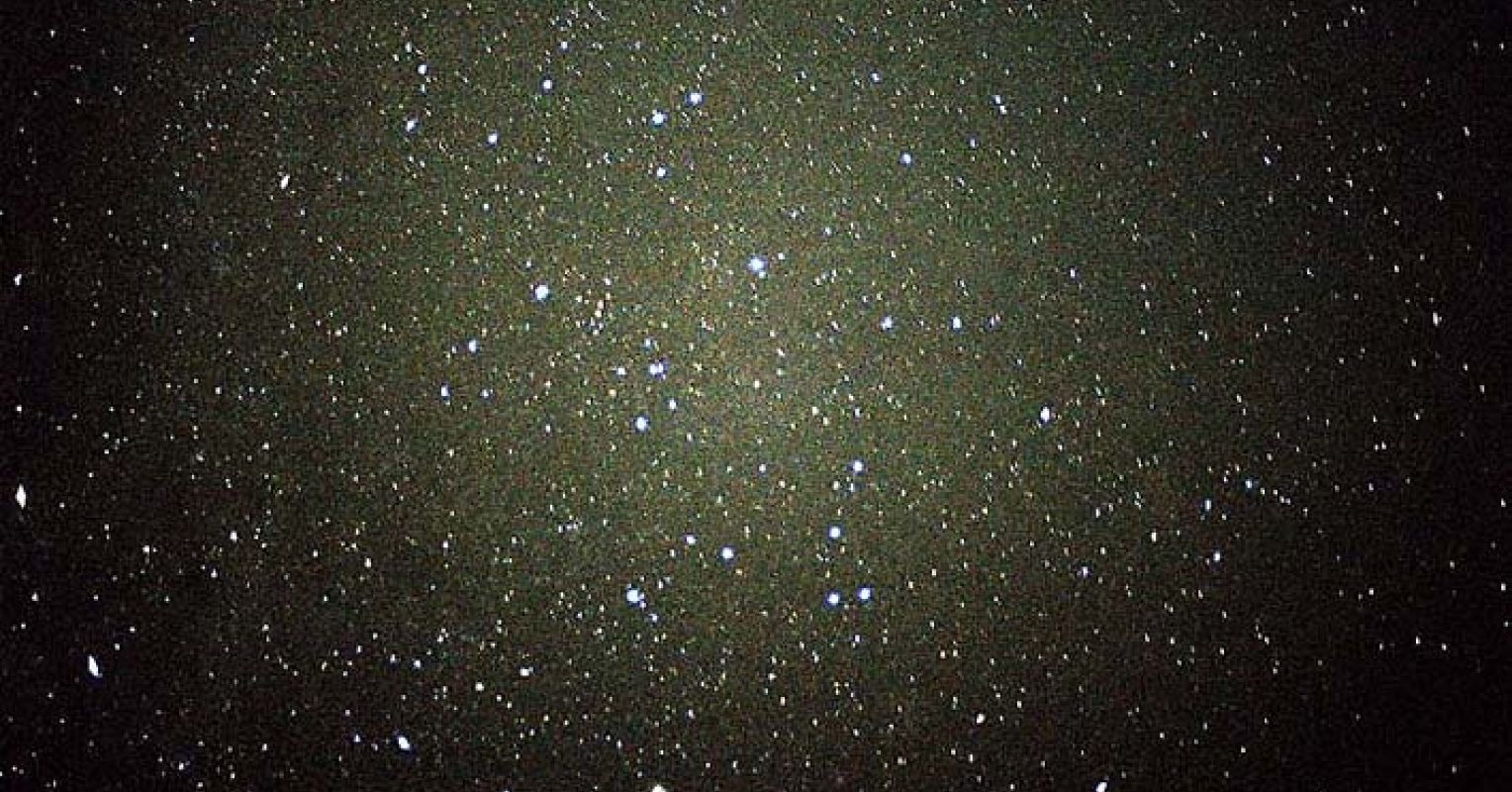
"Anyone traveling to outer space should be aware of the risks. Currently, staying alive means staying cocooned inside the spacecraft, spacesuit, or settlement. While planetary-scale engineering or genetic engineering may yet happen, Earth-like environments that are habitable for humans are a long way from either. Scientists investigate psychological responses to long-term experiences of lack of natural light, spatial confinement, ambient noise, living and working with the same small group of people, and mental adjustments to the physical and cognitive changes induced by spaceflight."
"Risk awareness and risk management can take a particularly high mental toll, notably in the context of isolation. Many actions or inactions bring the possibility of death upon oneself and fellow travellers. It might be too difficult to process due to an explosion or decompression. It might be a long, slow ending if the ship is off-course or if the settlement's supply lines are cut without hope for rescue."
Space travel imposes psychological difficulties through isolation, confinement, sensory deprivation, and persistent awareness of life‑threatening risks. Humans remain cocooned inside spacecraft, suits, or settlements, far from Earth-like, habitable environments. Psychological responses include effects of long-term lack of natural light, spatial restriction, ambient noise, continuous cohabitation with a small group, and cognitive changes induced by spaceflight. Risk awareness and management produce intense mental strain, including the possibility of sudden catastrophe, decompression, off-course voyages, or supply failures that preclude rescue. Chronic sleep disruption, physical and mental fatigue, monotonous essential tasks, nutritional shifts, and interpersonal tensions further undermine focus. Diverse research methods aim to identify, prevent, and remediate these adverse effects.
Read at Psychology Today
Unable to calculate read time
Collection
[
|
...
]