"Previous research has suggested that some primates, domestic animals and birds seem to possess what is called attention attribution—the ability to perceive where another individual is focused. It means distinguishing not just who is present but what that individual is paying attention to, says study author Shun Satoh, a fish biologist at Kyoto University in Japan."
"An analysis of the recordings showed that the parents behaved aggressively toward the divers more often when the human interlopers were staring at the offspring or the parent, compared with when the diver was looking in another direction or completely turned away. Though the authors acknowledge the study is preliminary, the results suggest that the fish do not respond only to a diver's presence but also to cues related to where the diver is looking."
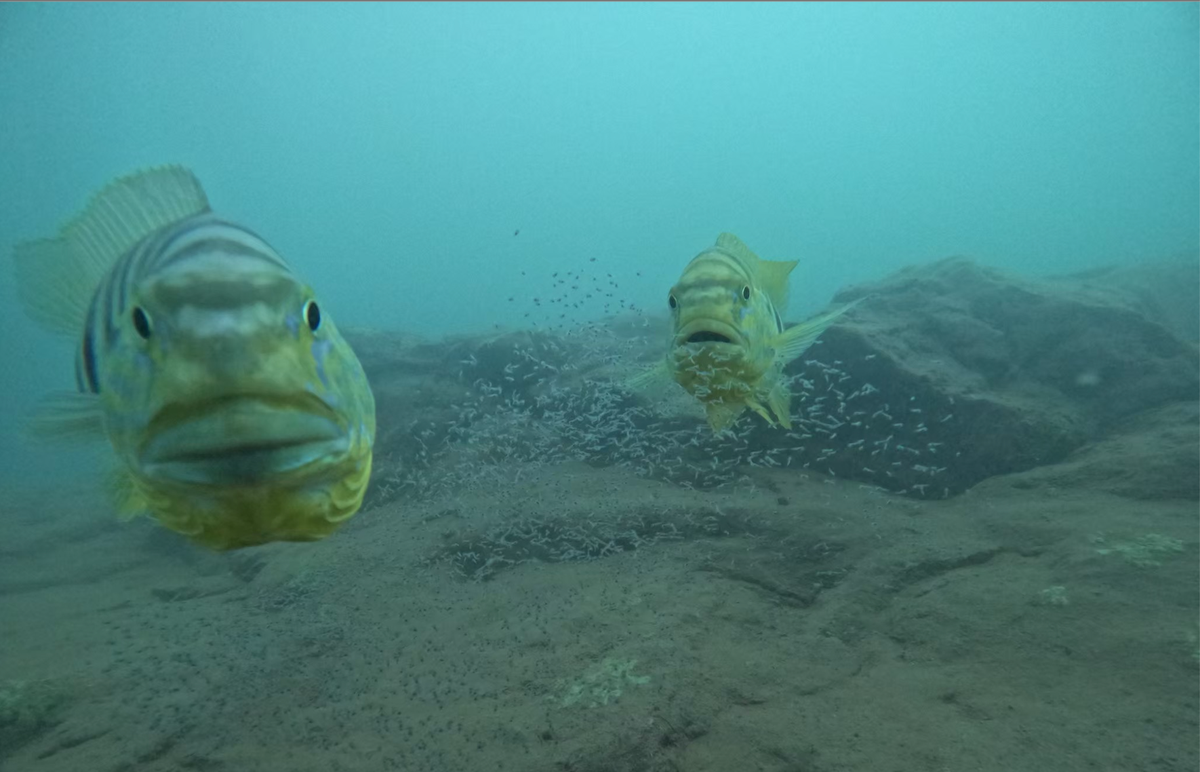
A study published in Royal Society Open Science reveals that emperor cichlids in Lake Tanganyika can detect when a diver is looking at them or their eggs and offspring. Researchers used waterproof cameras to record parental fish behavior in response to divers who either stared at the fish, their eggs, or their young, or looked away. Analysis showed parents displayed significantly more aggressive behavior when divers focused their gaze on the offspring or the parent itself compared to when divers looked elsewhere or turned away. This finding suggests fish possess attention attribution—the ability to perceive where another individual is focused—a cognitive ability previously identified mainly in primates, birds, and domestic animals.
#fish-cognition #attention-attribution #animal-behavior #parental-protection #lake-tanganyika-cichlids
Read at www.scientificamerican.com
Unable to calculate read time
Collection
[
|
...
]