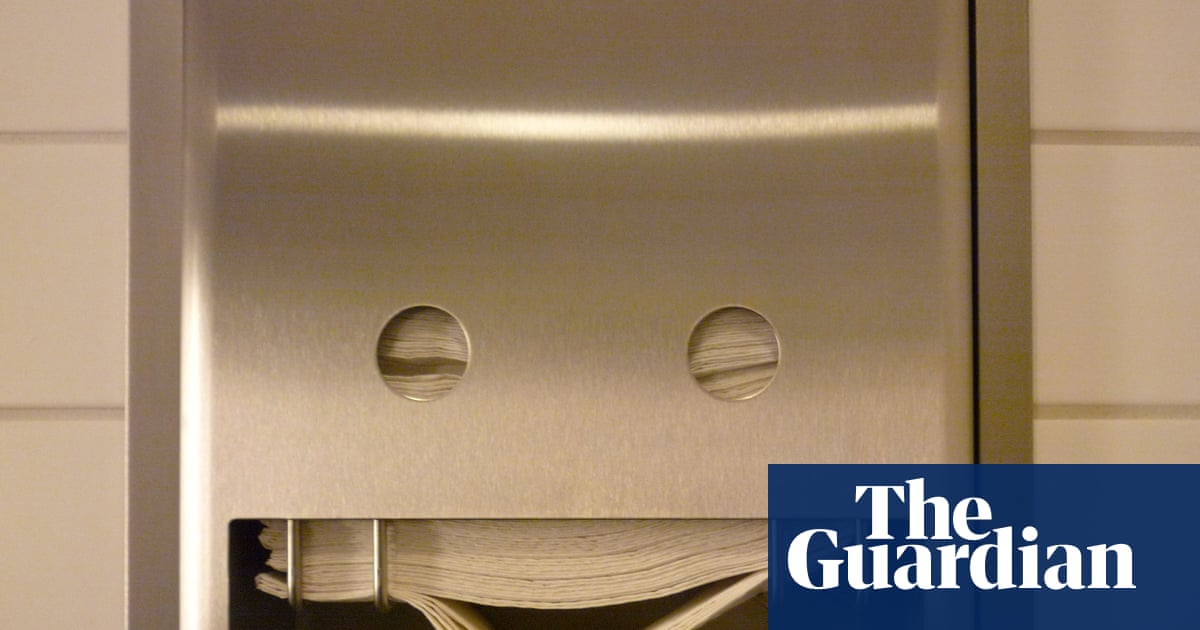
"In a study published in the journal Royal Society Open Science, researchers showed participants everyday objects that resembled faces, as well as abstract images of visual noise that had no inherent meaning. The vast majority of participants 90% reported seeing a face in at least one of the noise images."
"People saw faces more frequently in the images of objects (96.7% of images) than visual noise (53.4%). Study participants were more likely to perceive the faces in both the objects and visual noise as male, a finding that backs up previous studies on face pareidolia."
"The most striking pareidolia images have these open, wide-eyed expressions that maybe make you think of youthful enthusiasm, or babies. However, the faces perceived in artificial noise were more likely to be seen as older and angrier."
Face pareidolia is the phenomenon of perceiving faces in inanimate objects or random patterns. Research indicates that 90% of participants saw faces in abstract images of visual noise. Participants were more likely to identify faces in everyday objects than in visual noise. The perceived gender of these faces leaned towards male, with expressions in objects often seen as happy or surprised, while those in noise were viewed as older and angrier. The reasons behind these perceptions remain unclear.
Read at www.theguardian.com
Unable to calculate read time
Collection
[
|
...
]