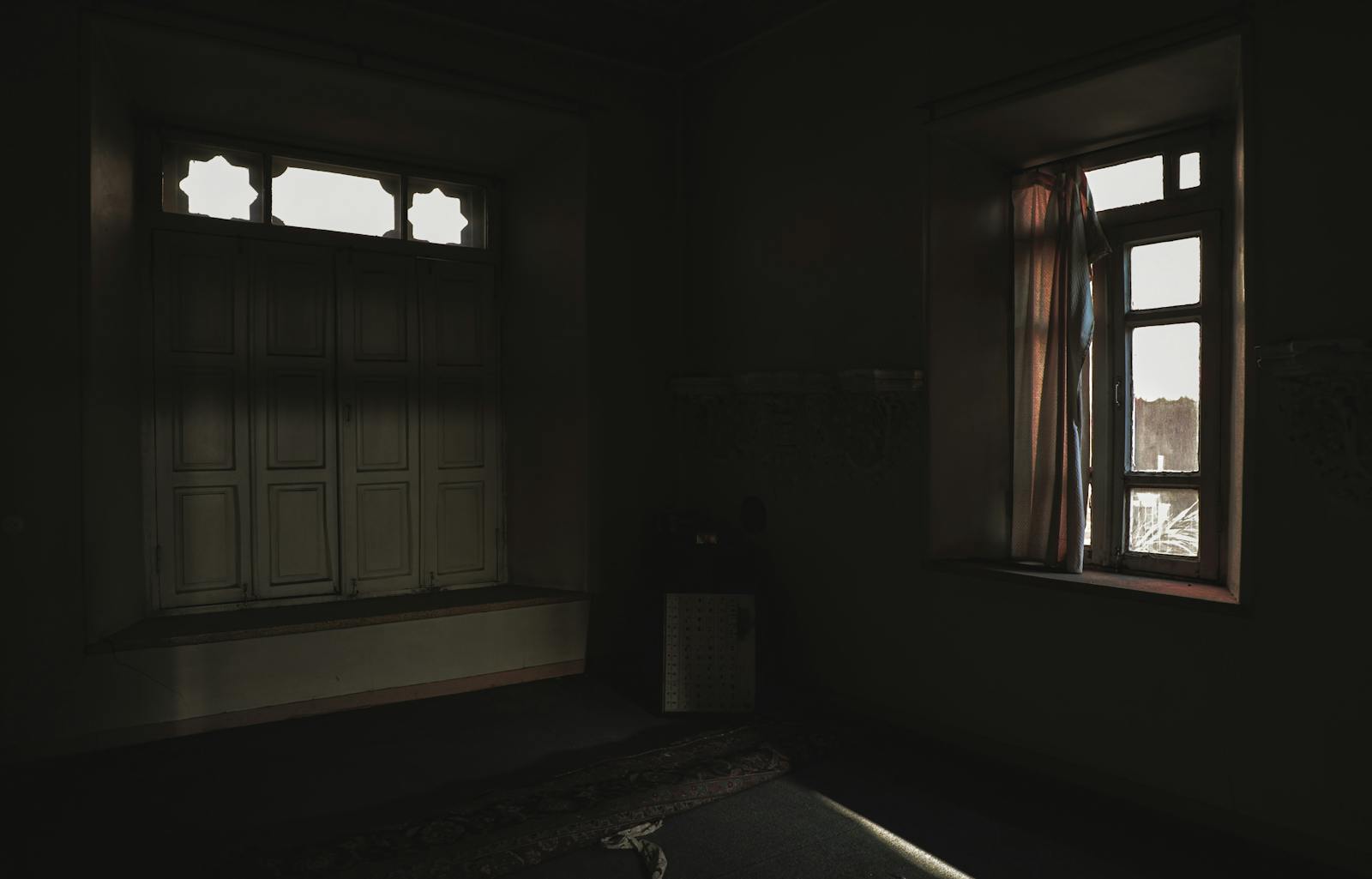
"The worlds we build are rarely random. They follow patterns. They have consistent geography, recurring characters, internal logic. Some people have maintained the same imaginary setting for decades, updating it like a beloved piece of software. New rooms. New storylines. The occasional structural renovation."
"For many people, building elaborate inner worlds is a cognitive feature, not a bug. It's what happens when a high-capacity imagination meets an emotional need that the real world hasn't quite figured out how to fill."
"What's fascinating is the specificity. People don't just imagine 'a nice place.' They imagine the exact amber hue of the light at 4pm in an invented café. They know the name of the street outside. They've decided what music is playing. This isn't escapism in the shallow sense."
Many people experience vivid, detailed imaginary worlds with consistent geography, characters, and internal logic. These mental constructs are not necessarily maladaptive but represent how high-capacity imaginations meet unmet emotional needs. The specificity of these worlds is remarkable—people remember exact sensory details, street names, and ambient elements. Rather than shallow escapism, this represents sophisticated world-building comparable to professional fiction creation. Returning from these imaginary spaces produces a distinctive emotional response: a bittersweet ache combining sadness and longing. This phenomenon is more prevalent than commonly acknowledged, with some individuals maintaining the same imaginary settings for decades, continuously updating and refining them like evolving creative projects.
#imagination-and-daydreaming #inner-worlds-and-world-building #psychological-phenomena #emotional-fulfillment #cognitive-features
Read at Silicon Canals
Unable to calculate read time
Collection
[
|
...
]