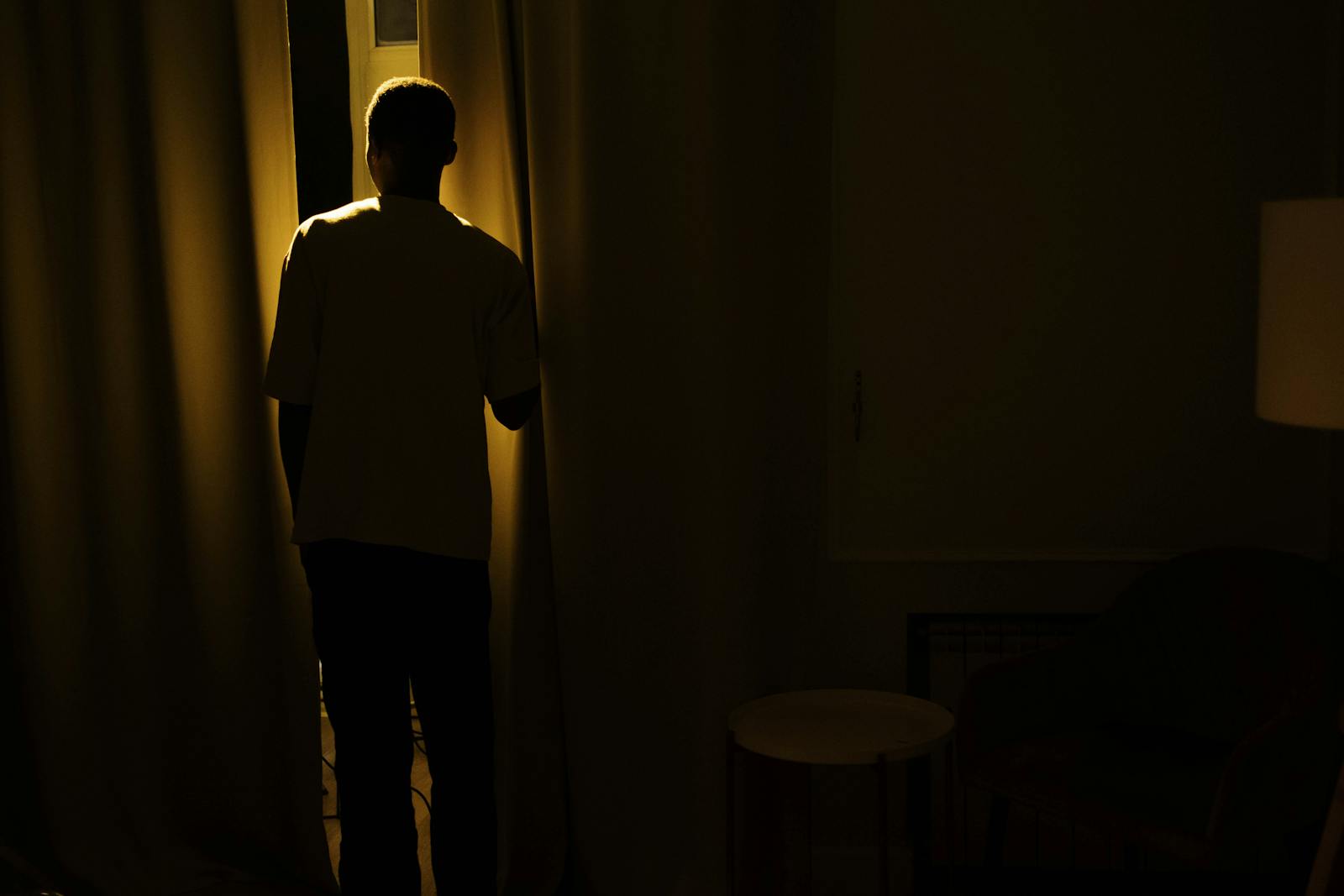
"Erving Goffman, the Canadian sociologist, built an entire framework around this in his 1956 work The Presentation of Self in Everyday Life. His argument was elegant and a little unsettling: social life is theatre. We are always performing. Every interaction has a "front stage" where we manage impressions, modulate tone, and curate which parts of ourselves are visible."
"Psychologists call it "self-monitoring," and research from a 2019 study published in the Journal of Personality found that high self-monitors report significantly more emotional exhaustion by day's end. They are exquisitely tuned to social context, always adjusting the dial. By 10 p.m., the dial is worn smooth."
Many people experience late-night hours as a form of psychological homecoming, finding authentic rest only after the world falls asleep. This phenomenon connects to Erving Goffman's sociological framework that describes social life as constant performance, where individuals manage impressions and curate visible aspects of themselves in front-stage interactions. This self-monitoring behavior, particularly among high self-monitors, creates significant emotional exhaustion by day's end. Research demonstrates that people who constantly adjust their behavior to social contexts experience greater fatigue. When nighttime arrives and the audience disappears, the performance collapses, allowing individuals to access thoughts and feelings that genuinely belong to them rather than serving social expectations.
#social-performance #self-monitoring #emotional-exhaustion #late-night-solitude #psychological-authenticity
Read at Silicon Canals
Unable to calculate read time
Collection
[
|
...
]