"Carbapenems are known as the last-line-of-defence antibiotics because they are only used when other treatments have failed. If pathogens are resistant to the carbapenem antibiotics, they're resistant to many others too."
"If a swimmer swallowed 30ml of the lough water, they'd get a pretty good exposure to carbapenem-resistance genes, but we don't know what impact that has on the gut microbiome or risk of infection."
"The World Health Organization (WHO) describes this antimicrobial resistance (AMR) as one of the most urgent, complex and frightening health challenges of our time."
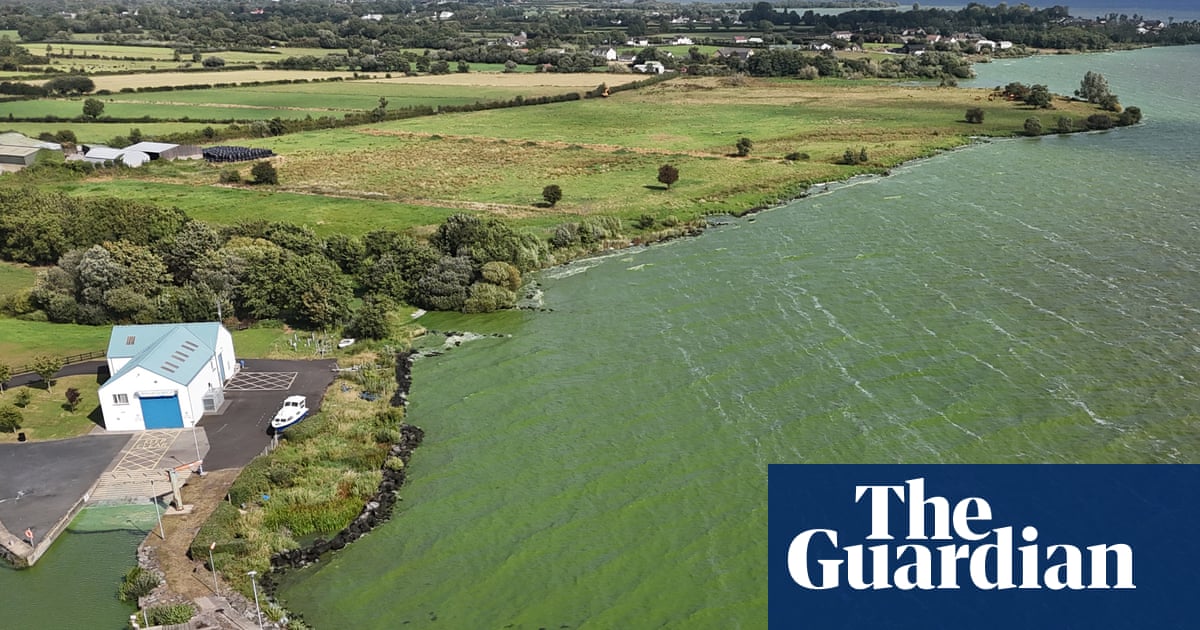
Antibiotic-resistance genes spanning multiple drug classes have been found in Lough Neagh, the UK's largest lake supplying drinking water to approximately 40% of Northern Ireland's population. Testing revealed resistance to carbapenems, penicillins, quinolones, macrolides, aminoglycosides, cephalosporins, and tetracycline. Carbapenems are last-resort antibiotics used only when other treatments fail. Markers of human, cow, and pig faeces were also detected, indicating sewage and livestock slurry contamination. This discovery aligns with rising global antimicrobial resistance deaths, with England reporting nearly 400 resistant infections weekly and approximately 2,379 deaths in 2024. The WHO identifies antimicrobial resistance as one of the most urgent health challenges.
Read at www.theguardian.com
Unable to calculate read time
Collection
[
|
...
]