"Water was the main problem in my last year of deployment, explaining how her supply was often cut off to save costs."
"whenever they seek consultation, they always think it is just an expense, so sometimes they seek it too late."
"Preventable vaccines are subsidized by the government, but the two cases did not access preventive vaccines."
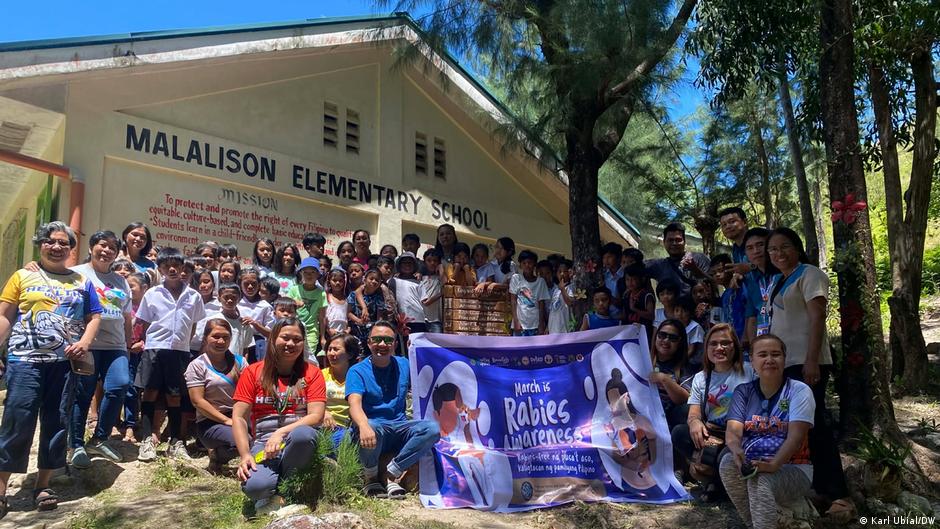
Dr. Katrina Magbojos served as a rural health physician in Jalajala, Rizal under the Department of Health's Doctors to the Barrios program from 2022 to 2025. Jalajala was considered remote because of limited transportation, scarce resources, and challenges accessing early medical care. Daily work included morning clinics, afternoon consultations, and administrative duties. Common conditions treated included upper respiratory infections, tuberculosis, diabetes, and hypertension. Electricity and internet were generally stable, but public transport constrained daily reach and water supply was often cut to save costs. Low-income patients delayed seeking care due to expense concerns and frequently could not complete treatments because medicines were limited. Two preventable rabies cases involved patients who had not accessed subsidized vaccines. The DTTB program began in 1993 after a survey found 271 municipalities lacked a resident doctor, and officials say the problem persists; the Philippines has 7.92 doctors per 10,000 population.
Read at www.dw.com
Unable to calculate read time
Collection
[
|
...
]