"When Dr. Katrina Magbojos joined the Philippines' Doctors to the Barrios (DTTB) program, she was assigned not to a distant island or a conflict zone, as the term "barrios" might suggest, but to Jalajala, Rizal, about two hours southwest of the capital, Manila. Jalajala is considered remote due to limited transportation options, scarce resources and challenges in accessing early medical care. Magbojos served as a rural health physician in Jalajala under the Department of Health's DTTB between 2022 and 2025."
"Morning clinics often ran through noon, followed by afternoon consultations and administrative work, she told DW. Patients at the clinic needed treatment for issues including upper respiratory tract infections, tuberculosis, diabetes, and hypertension. While electricity and the internet were generally stable, public transportation dictated daily limits. "Water was the main problem in my last year of deployment," Magbojos said, explaining how her supply was often cut off to save costs."
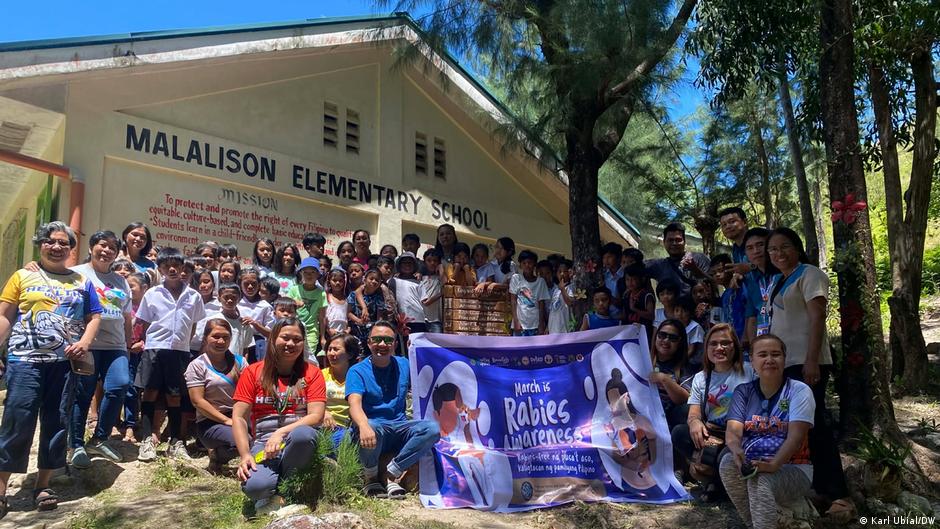
"For Magbojos, social problems in developing countries like the Philippines remain a challenge. People with lower incomes have poor health-seeking behavior, she said, because "whenever they seek consultation, they always think it is just an expense, so sometimes they seek it too late." Magbojos told DW that many patients could not complete their treatment because medicines were limited. She recalled two cases of human rabies that affected her deeply. "Preventable vaccinesare subsidized by the government, but the two cases did not access preventive vaccines," she said."
A rural physician served in Jalajala, Rizal under the Department of Health's Doctors to the Barrios program from 2022 to 2025. Clinics ran long hours with morning and afternoon consultations plus administrative duties, treating respiratory infections, tuberculosis, diabetes and hypertension. Electricity and internet were generally stable but public transportation limited daily access. Water shortages became a major operational problem in the final year when supply was cut to save costs. Low-income patients often delay care or cannot complete treatment due to cost and limited medicines, and missed preventive vaccines contributed to tragic rabies cases. The DTTB program began in 1993 after many municipalities lacked resident doctors, and the shortage of local medical coverage remains an ongoing challenge.
Read at www.dw.com
Unable to calculate read time
Collection
[
|
...
]