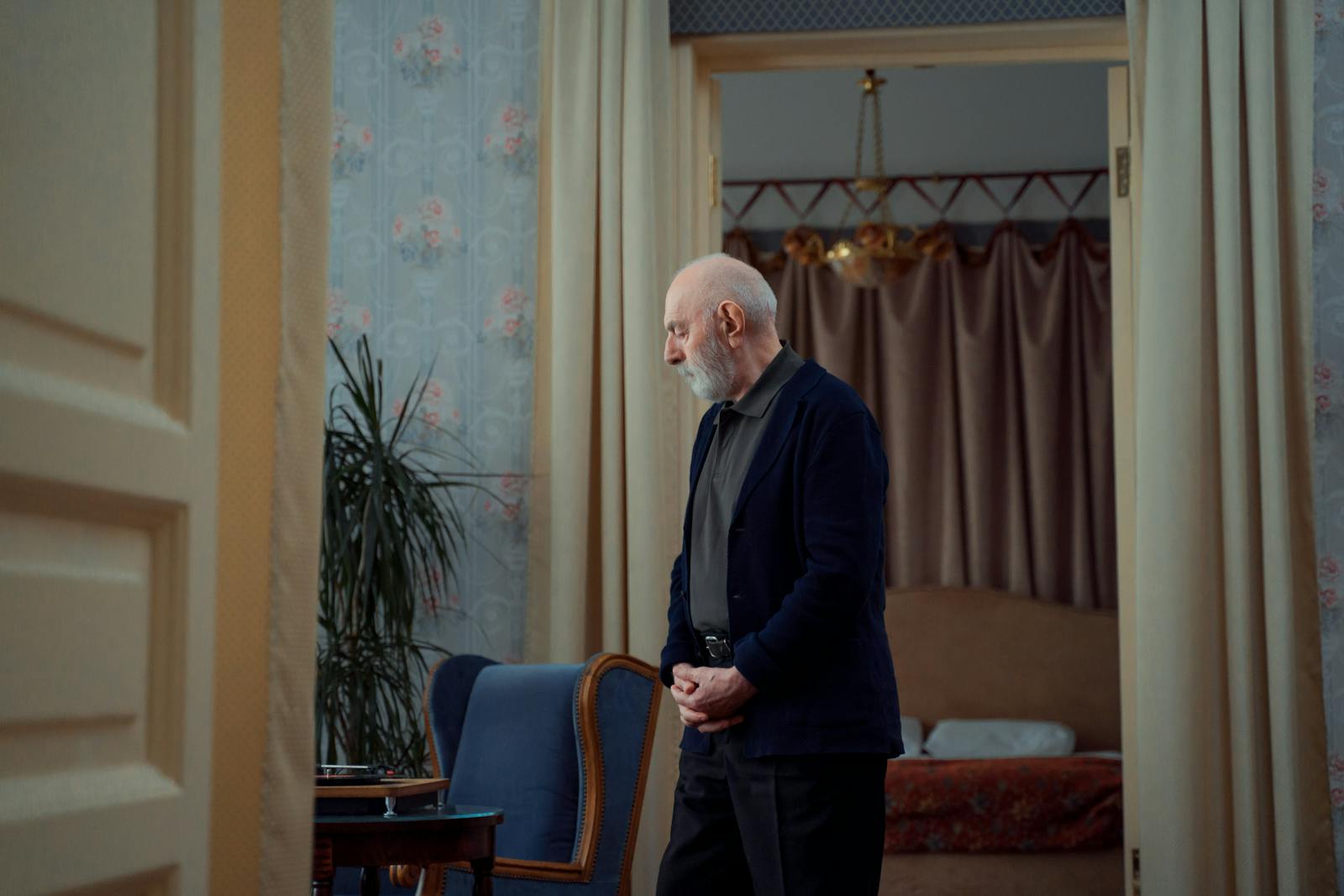
"I tracked the quiet pain in people the way some guys track baseball stats. For a long time, I thought that made me good at relationships. Turns out, it made me good at one direction of relationships."
"You stopped being hurt that nobody noticed and started being confirmed by it. Like the absence of being seen was just evidence of something you already suspected about your own visibility in the world."
"The person who becomes the perpetual caretaker in their friendships almost always learned early that their emotional needs were either too much, poorly timed, or simply uninteresting to the people who were supposed to notice."
The role of the emotional caretaker often stems from early experiences where one's emotional needs were overlooked. This pattern can lead to a cycle of unreciprocated care, where the caretaker feels invisible and struggles to express their own struggles. Many individuals in this role become adept at supporting others while neglecting their own emotional well-being, leading to feelings of exhaustion and invisibility. Recognizing this pattern is crucial for breaking the cycle and fostering healthier relationships.
Read at Silicon Canals
Unable to calculate read time
Collection
[
|
...
]