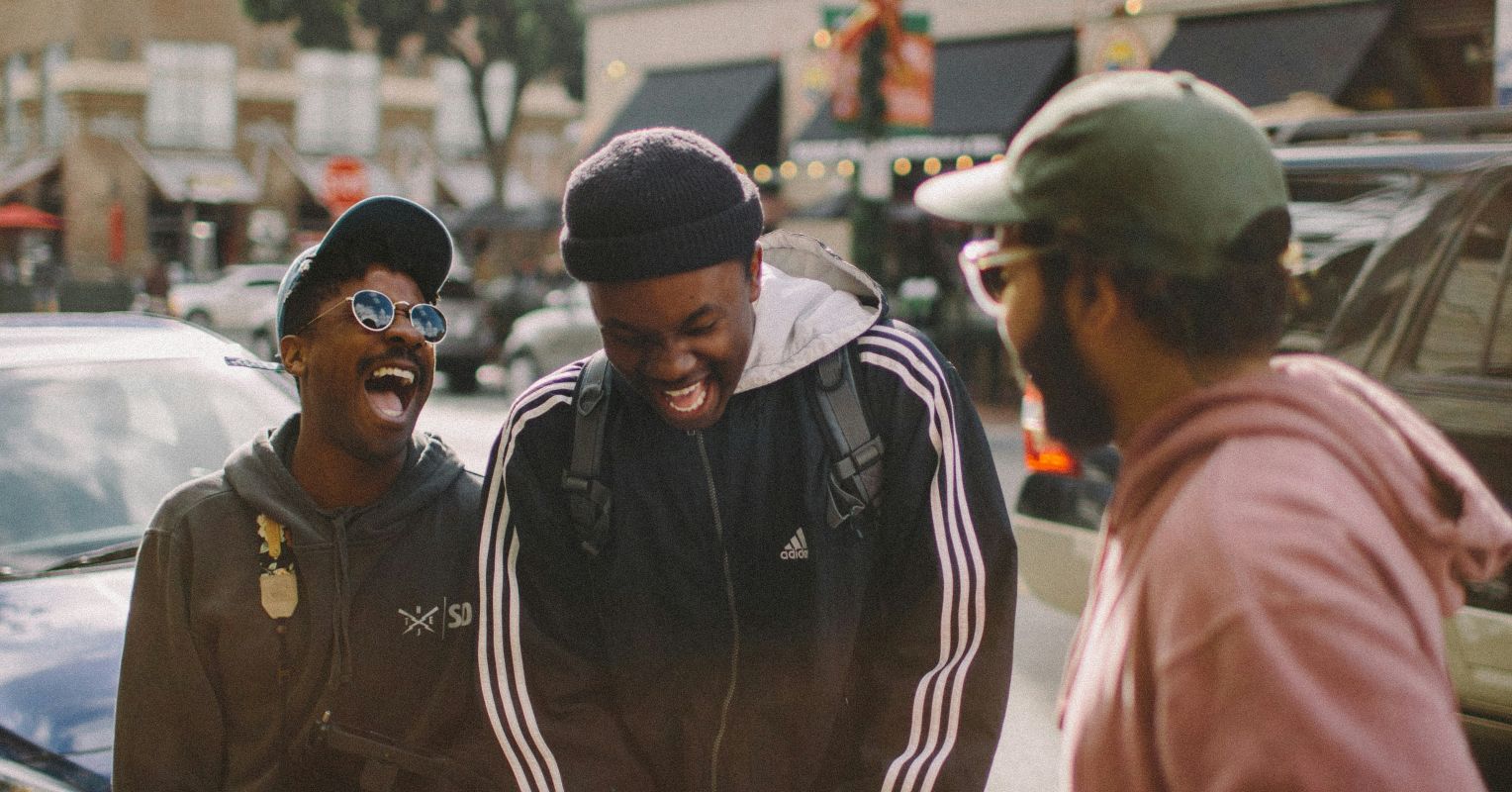
"When strangers interact, they underestimate how liked they are by one another. When we are vulnerable, we underestimate just how positively people view our vulnerability. When we reach out to friends, they appreciate it more than we think. One of the most effective ways I encourage people to try to make friends is by showing them that it won't be as uncomfortable as they think."
"The beautiful mess effect: the finding that when we are vulnerable, we underestimate just how positively people view our vulnerability. We may think it makes them view us as weak, but it often makes them view us as authentic and genuine. A study that finds when we reach out to friends, they appreciate it more than we think. And on and on."
"But sometimes your acts of connection won't go well. Someone won't respond, will ignore you, or will judge you when you're vulnerable. But friendship is not about escaping pain. I teach a class on how to make friends, and I asked my students to do their final presentation on one act they can take to improve their friendships. You know what they said? Sure, they made time for friends amidst a busy schedule, but it was uncomfortable to ignore their work for a moment."
People often underestimate how much strangers like them after interactions, a phenomenon known as the liking gap. Individuals also misjudge how positively vulnerability is received; vulnerability commonly appears authentic rather than weak. Reaching out to friends is appreciated more than expected. These misjudgments form a broader tendency called undersociality, where acts of connection are predicted to go worse than they do. Acts of connection can still fail at times: messages may be ignored and vulnerability can be judged. Students practicing friendship-building reported discomfort during outreach but found making time, being vulnerable, and expressing gratitude worthwhile. The greater risk lies in taking no action.
Read at Psychology Today
Unable to calculate read time
Collection
[
|
...
]