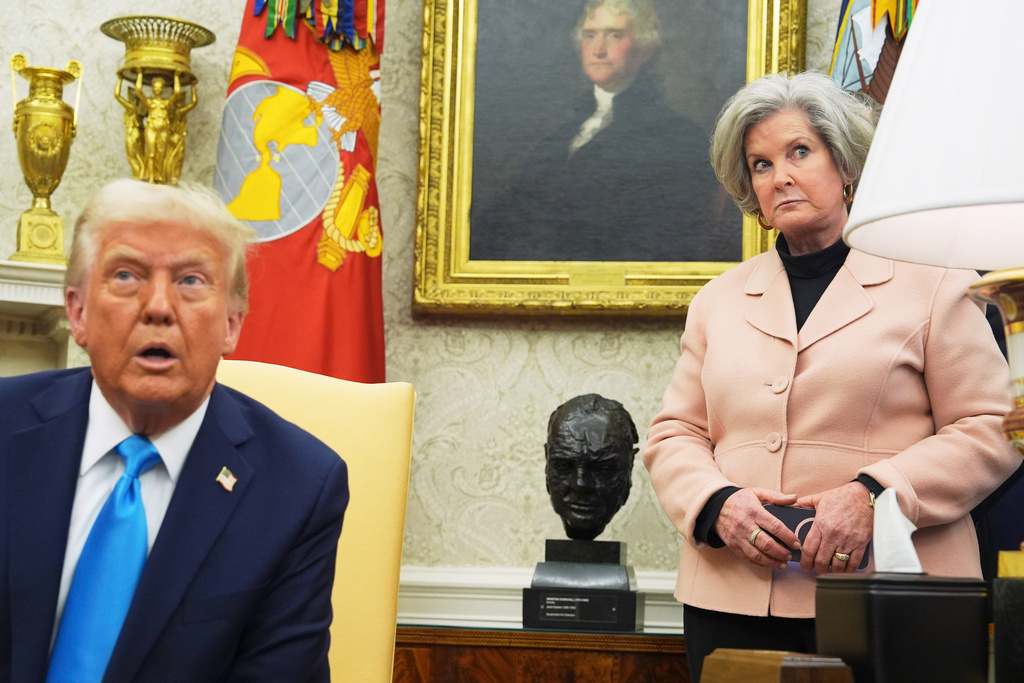
"The article, based on 11 on-the-record and recorded interviews with Wiles, prompted a sharp escalation. Senator Mike Lee accused accused Vanity Fair of defaming Wiles. Defense Secretary Pete Hegseth dismissed the reporting as ideological warfare, writing, This is what the Left does. Trash & smear our best & most effective people. Vice President JD Vance went further, suggesting the lesson was that the administration should stop giving interviews to mainstream or legacy media outlets."
"Conservative media figures quickly reinforced the message. Federalist editor Mollie Hemingway complained she was genuinely sick to death of people on the right who seek the approval of left-wing media, adding, Or even play with them for a minute. I can't take it. It's the saddest fetish. Engagement with independent journalism was framed not as a tactical risk, but as moral weakness and disloyalty."
"The sequence is instructive. Lee framed reporting as harm. Hegseth framed journalism as a political attack. Vance framed withdrawal from the press as the appropriate response. The danger lies in the logic being applied. This is a deliberate argument that independent scrutiny is unnecessary and counterproductive. Vance made the point explicit, saying I hope that the lesson is we should be giving fewer interviews to mainstream media outlets, he said. That was not a complaint. It was a prescription."
Media attention to White House Chief of Staff Susie Wiles triggered coordinated defenses, accusations of bias, and attacks on the reporter. Republican officials and conservative media responded by arguing for disengagement from independent journalism, framing scrutiny as harm, ideological attack, or moral weakness. Prominent figures proposed reducing interviews with mainstream outlets and expanding access to supportive interlocutors who reinforce administration narratives. The logic presented treats independent scrutiny as unnecessary and counterproductive and encourages channeling communications toward friendly platforms rather than traditional independent outlets. These shifts change how governance interacts with public accountability and create long-term risks for democratic transparency.
#independent-journalism #press-disengagement #white-house-communications #conservative-media-strategy
Read at www.mediaite.com
Unable to calculate read time
Collection
[
|
...
]