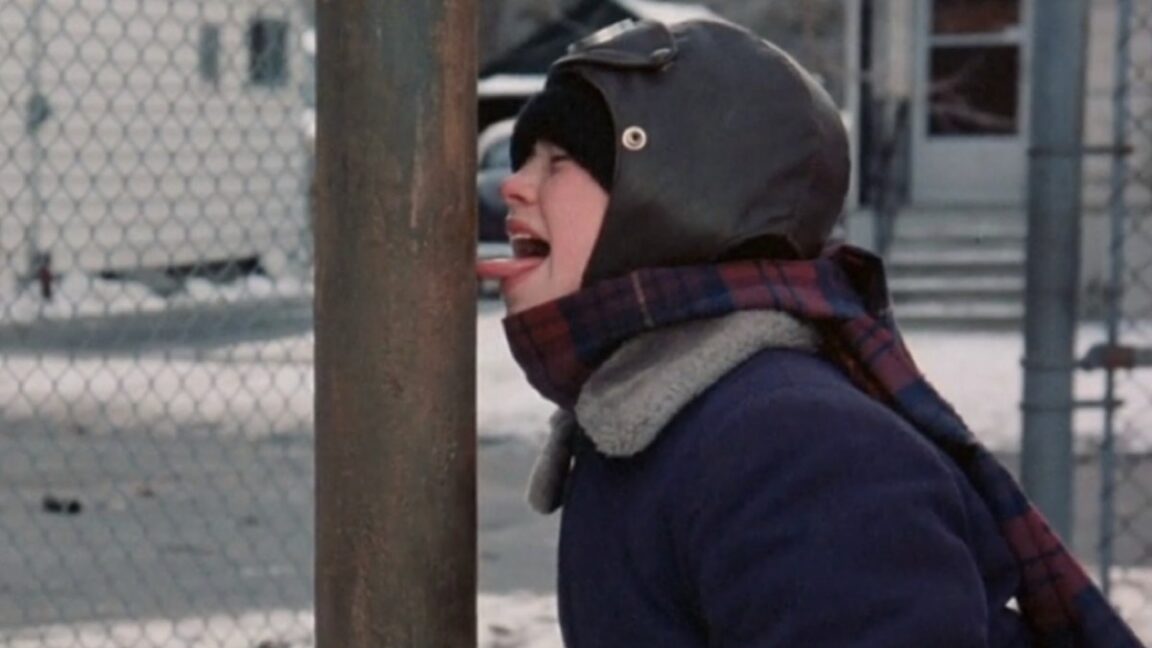
"Nearly all the cases involved children between the ages of 1 and 16 years-60 percent of them boys-and nearly all occurred outside except for two instances: one involving an indoor refrigeration system and another where kids were served ice cream that had been stored on dry ice that subsequently caused lacerations on their tongues."
"Most of the remedies deployed in these cases involved the application of water (usually warmed), but people also resorted to glycerol, coffee, whiskey, a penknife, a car cigarette lighter, and hot denatured alcohol, as well as frequently calling the police or fire department. In general, victims suffered mild bleeding and some pain, but there were more serious cases that required hospital care, resulting in sutures, risk of infection, face scarring, and even potential tongue amputation."
"It's known that a tongue sticks to a cold metal surface because the saliva and moisture on the tongue freezes, forming an 'ice bridge' between the two surfaces. But how much force is required to detach a tongue? Is there an optimal temperature at which the risks of"
Tundra tongue incidents, where tongues freeze to cold metal surfaces, peaked during the 1950s primarily affecting children aged 1-16, with 60 percent being boys. Most cases occurred outdoors, though some involved refrigeration systems and dry ice. A notable incident involved a child whose tongue stuck to a railway line, narrowly avoiding a train. Treatment methods varied widely, including warm water, glycerol, coffee, whiskey, and penknives, with outcomes ranging from mild bleeding to serious complications requiring hospitalization, sutures, infection risks, scarring, and potential tongue amputation. Medical literature reveals limited experimental research on the actual dangers and mechanisms of tundra tongue.
Read at Ars Technica
Unable to calculate read time
Collection
[
|
...
]