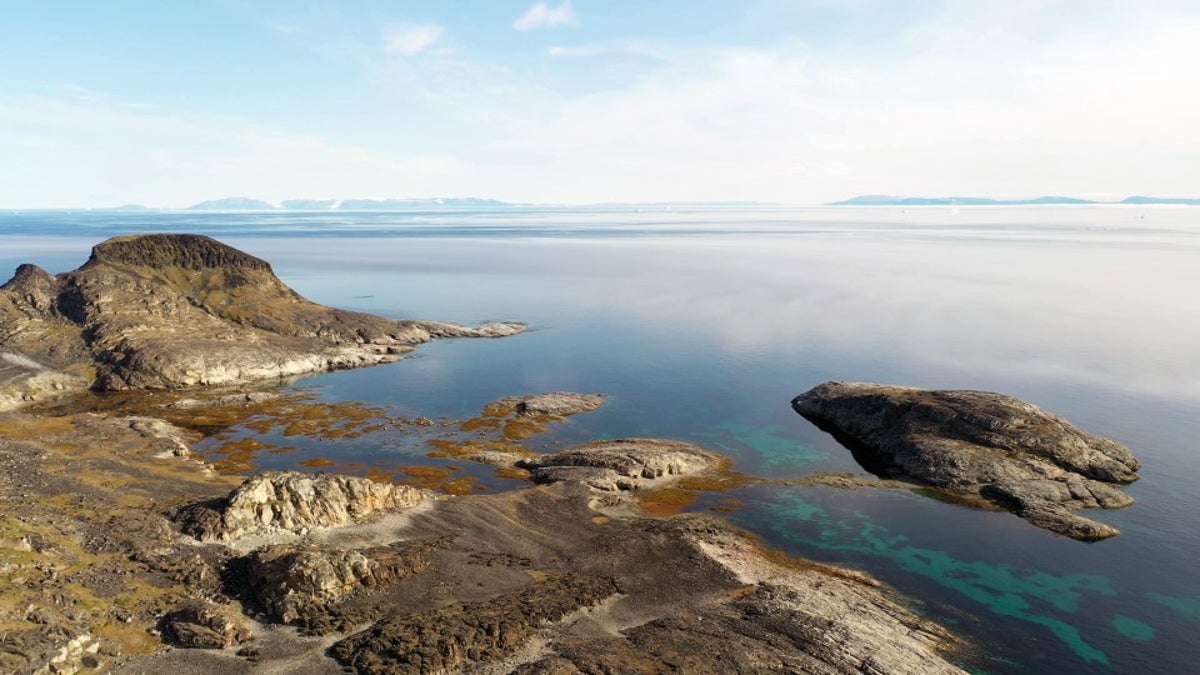
The Kitsissut (Carey) Islands lie in the High Arctic between northwest Greenland and northeast Canada, with perilous seas and difficult travel even by modern boats. Archaeological evidence indicates humans sailed to and inhabited the islands between 4,500 and 2,700 years ago. Settlers formed seafaring communities that persisted at least as long as local polynyas, implying long-standing human influence on Arctic ecosystem dynamics. Researchers analyzed 297 archaeological features and artifacts from five localities, primarily on Isbjrne Island. Dwellings and artifact assemblages indicate regular visitation, habitation, and maritime subsistence despite prior assumptions of land-bound movement.
"In the pristine High Arctic sits the Kitsissut island cluster, also known as the Carey Islands, nestled between northwest Greenland and northeast Canada. The surrounding seas are perilous, and traveling there is difficult even with modern boats. But new archaeological evidence suggests ancient humans managed to sail to the islands, too. Early settlers lived on the islands between 4,500 and 2,700 years ago."
"In the past, archaeologists had assumed humans made their way to the Arctic by following musk oxen and other onshore prey. But though more recent evidence has suggested otherwise, it's been hard to dispel the old theory, particularly because remnants of boats and fishing suppliesmade from organic materialswere largely missing from the archaeological record. The new study helps fill in some of those gaps."
"But new research published Sunday in the journal Antiquity suggests these settlers formed seafaring communities that existed for at least as long as the area's polynyaa technical name for unfrozen water amid sea iceindicating that humans have long had a hand in shaping the dynamic Arctic ecosystem. We saw a space for archaeology to bring forward the deep history of the environment and learn more about stewardship through time, says the study's lead author, Matthew Walls, an archaeologist at the University of Calgary."
Read at www.scientificamerican.com
Unable to calculate read time
Collection
[
|
...
]