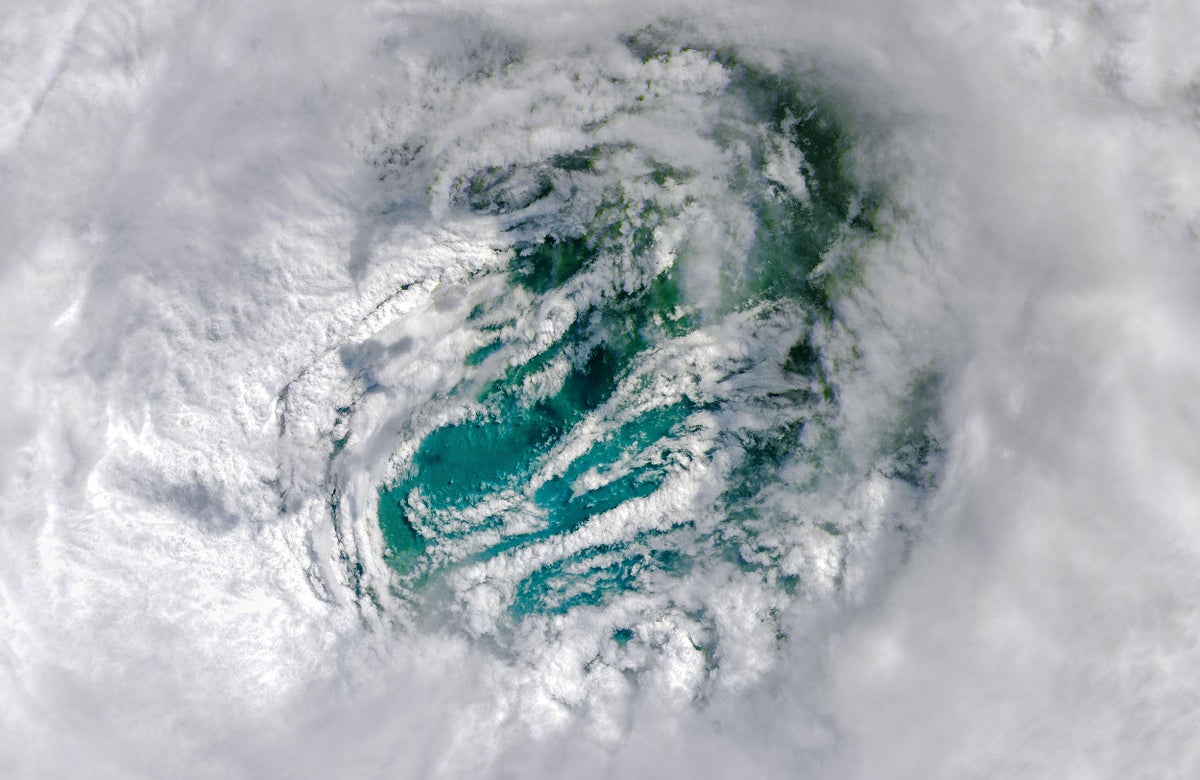
"Every hurricane comes from modest beginnings—often just a patch of the atmosphere over a particular spot in the ocean that meteorologists believe could have the makings of a storm. These areas are called invests, which is just short for the investigation scientists undertake, using computer models and other tools, to understand whether the disturbance poses any risks—many disturbances turn out not to."
"On the way to becoming a hurricane, storms typically move through several life stages long before most of us ever hear about the situation. The first stage is a tropical wave, or easterly wave, which is an area of relatively low pressure in the atmosphere. Low-pressure regions pull warmer, wet air in toward them and then foist it upward. That air eventually rises far enough to cool and create clouds and thunderstorms—a process called convection."
Every hurricane originates from modest atmospheric disturbances over warm ocean waters called invests, where scientists investigate potential storm development using models and observations. Many disturbances never organize. Storms often begin as tropical waves—areas of relatively low pressure that draw warm, moist air inward and force it upward, producing convection, clouds, and thunderstorms. Tropical disturbances typically span 100 to 300 miles and lack a central rotating wind. As organization and rotation increase, disturbances can progress through stages toward tropical cyclones and, under favorable conditions, intensify into hurricanes.
Read at www.scientificamerican.com
Unable to calculate read time
Collection
[
|
...
]