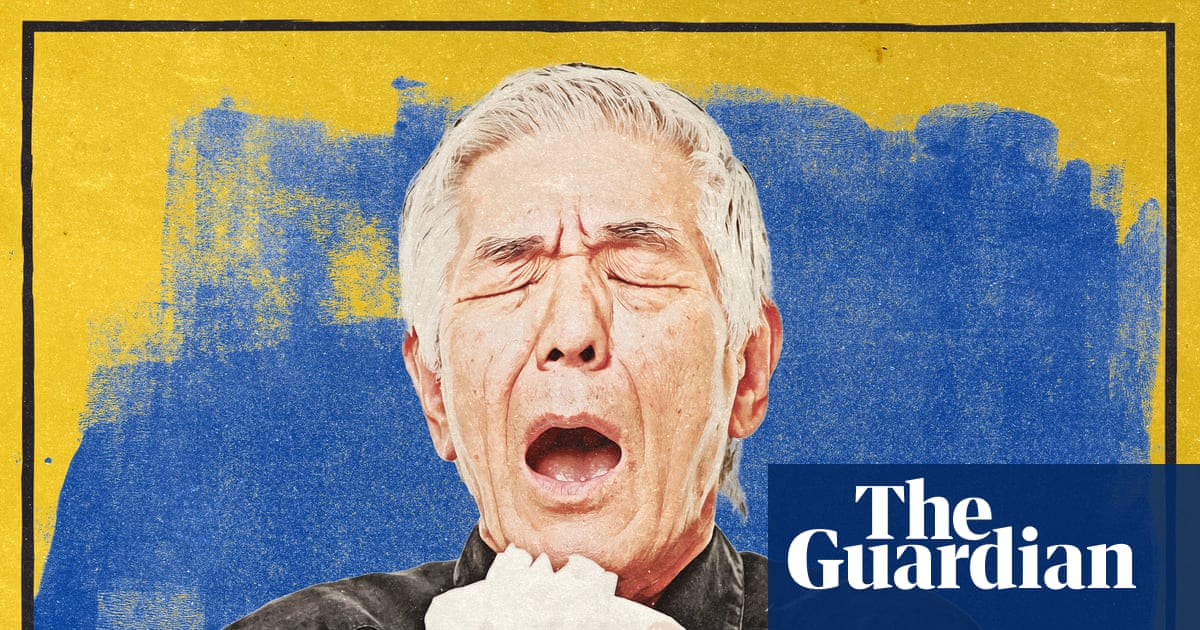
"Alongside the obvious nasal hairs that a few people choose to trim, all of us have cilia, or microscopic hairs in our noses that can move and sense things of their own accord. And so if anything gets trapped by the cilia, that triggers a reaction to your nerve endings that says: Right, let's get rid of this.' And that triggers a sneeze."
"That irritation can be caused by many things: allergens, viruses such as the common cold or flu, and irritants such as dust or pepper. But it's not the only reason you might sneeze. The trigeminal nerve, which is responsible for all sorts of sensory and motor functions in the facial region, can be triggered by everything from cold air to plucking an eyebrow, sending sneeze signals to nearby nerve endings even when they're not strictly necessary."
In the Odyssey, Telemachus's sneeze follows Penelope's prayer and is treated as a good omen for Odysseus; in the Anabasis, Xenophon reads a soldier's sneeze as divine confirmation; St Augustine records people returning to bed if they sneeze while putting on slippers. Physiologically, sneezing is a reflex to expel irritants when cilia or nasal hairs trap particles and trigger nerve endings. Irritants include allergens, viruses like the common cold or flu, dust, pepper, and possibly air pollution. The trigeminal nerve can provoke sneezes from cold air or eyebrow plucking. Some people display a photic sneeze reflex (Achoo syndrome) to bright light; its mechanism is not fully understood.
Read at www.theguardian.com
Unable to calculate read time
Collection
[
|
...
]