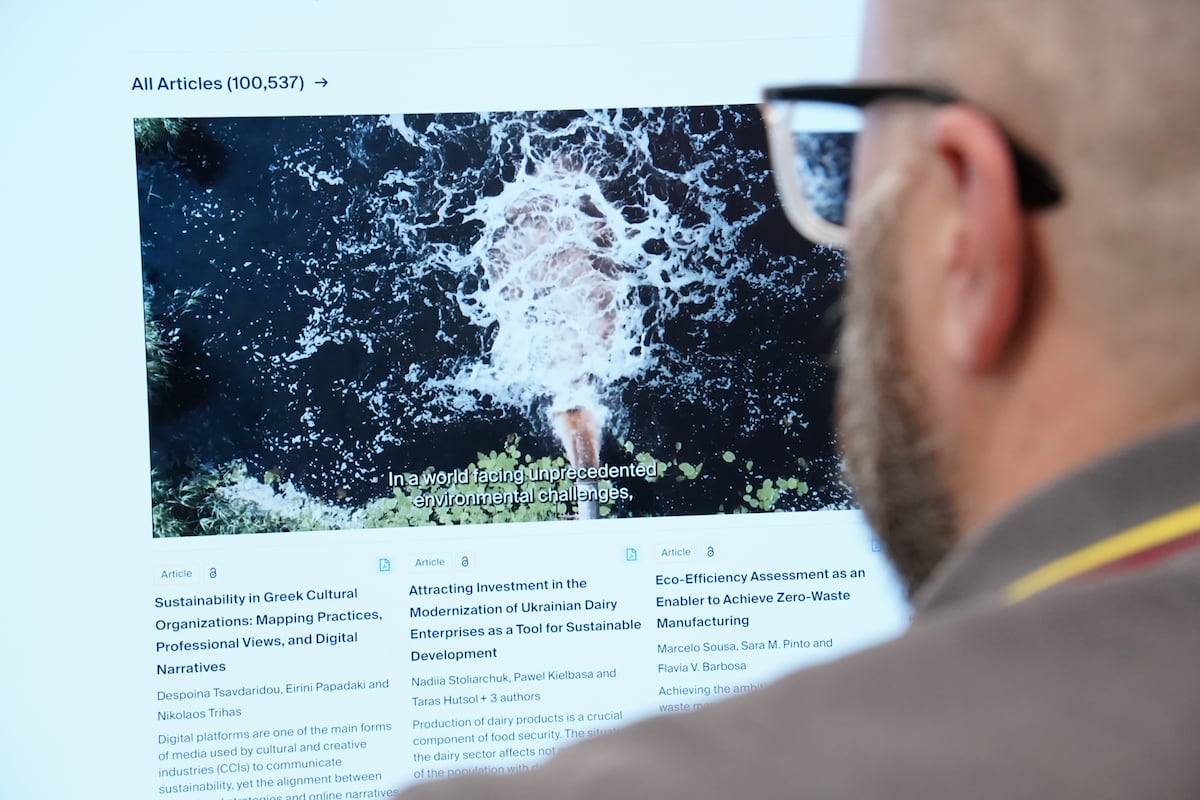
"Three scientists have coined a rather scatological, yet revealing, term: PISS, short for Published In Support of Self. The acronym defines a disconcerting phenomenon. Specialized scientific journals that were once published every two weeks or weekly now churn out special issues every few hours. Previously, these monographs were selective and entrusted to a leading figure in a scientific discipline. Now, even the most mediocre researchers receive a flood of invitations to edit one of these countless special issues, which have become a multi-million dollar business."
"With the recent push for open access science, readers no longer pay; instead, the study's authors must cover the publication fees usually more than 2,000 ($2,300) from public funds for each paper. It's a perverse incentive. Institutions require scientists to publish numerous studies in order to qualify for promotions and salary increases, and publishers earn more the more they publish."
Three scientists coined the term PISS (Published In Support of Self) to describe a surge in low-value special issues. Scientific journals now publish numerous special issues rapidly, inviting many researchers to edit or contribute. Open-access fees shift costs to researchers, typically over $2,000 per paper, paid from public funds. Academic promotion systems and publisher business models create incentives to publish many papers regardless of quality. The combination of pay-to-publish fees and demand for quantity is flooding fields with irrelevant studies and crowding out high-quality research. Special issues were once selective and overseen by leading figures, but they have become ubiquitous and commercially profitable.
Read at english.elpais.com
Unable to calculate read time
Collection
[
|
...
]