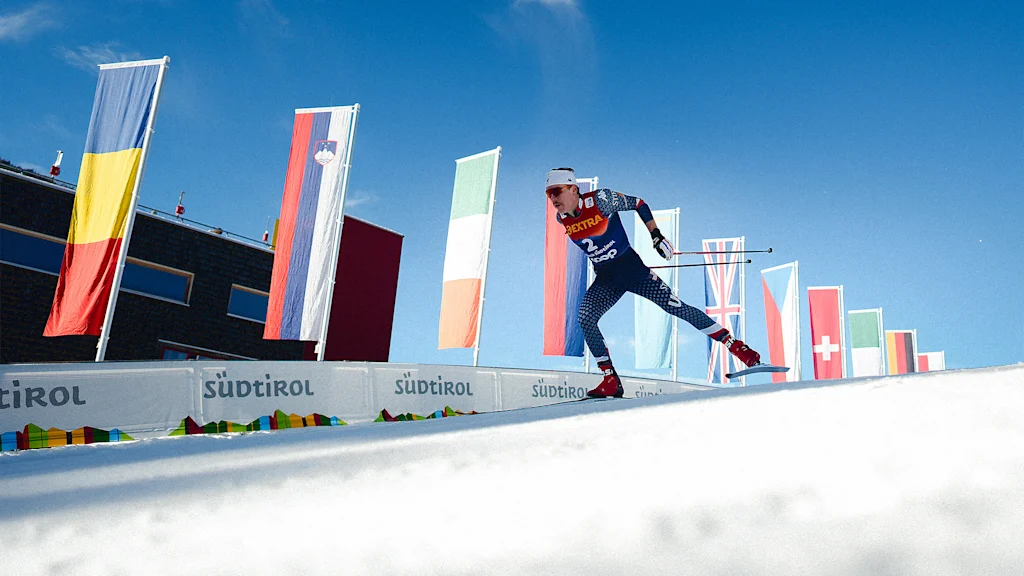
"When viewers tune in to the 2026 Winter Olympics, they will see pristine, white slopes, groomed tracks, and athletes racing over snow-covered landscapes, thanks in part to a storm that blanketed the mountain venues of the Italian Alps with fresh powder just in time. But at lower elevations, where cross-country and other events are held, athletes and organizers have been contending with rain; thin, sometimes slushy snow; and icy, machine-made surfaces."
""Most of our races are on machine-made snow," 2026 U.S. Olympic team cross-country skier Rosie Brennan told us ahead of the Games. "TV production is great at making it look like we are in wintry, snowy places, but this year has been particularly bad." As scientists who study mountain snow, water resources, and the human impact of warming winters, we see winter's changes through data: rising temperatures, shrinking snowpack, shorter snow seasons."
"Olympic athletes experience changing winter conditions personally, in ways the public and scientists rarely do. Lack of snowfall and more frequent rain affect when and where they can train, how they train and how dangerous the terrain can become. We talked with Brennan and cross-country skiers Ben Ogden and Jack Young as they were preparing for the 2026 Winter Games. Their experiences reflect what many athletes describe: a sport increasingly defined not by the variability of natural winter but by the reliability of industrialized snowmaking."
A storm delivered fresh powder to mountain venues, while lower elevations faced rain, thin slushy snow, and icy machine-made surfaces. Cross-country races increasingly rely on machine-made snow, and broadcast production often masks those conditions. Athletes report disrupted training, altered preparation, and greater safety risks from variable snow and rain. Scientists record rising temperatures, shrinking snowpack, and shorter snow seasons that undermine natural snowfall reliability. Snowmaking technology enables competitions and halfpipes and compensates for scarce natural snow, but it shifts winter sports toward industrialized snow dependence and changes where and how athletes train and compete.
Read at Fast Company
Unable to calculate read time
Collection
[
|
...
]