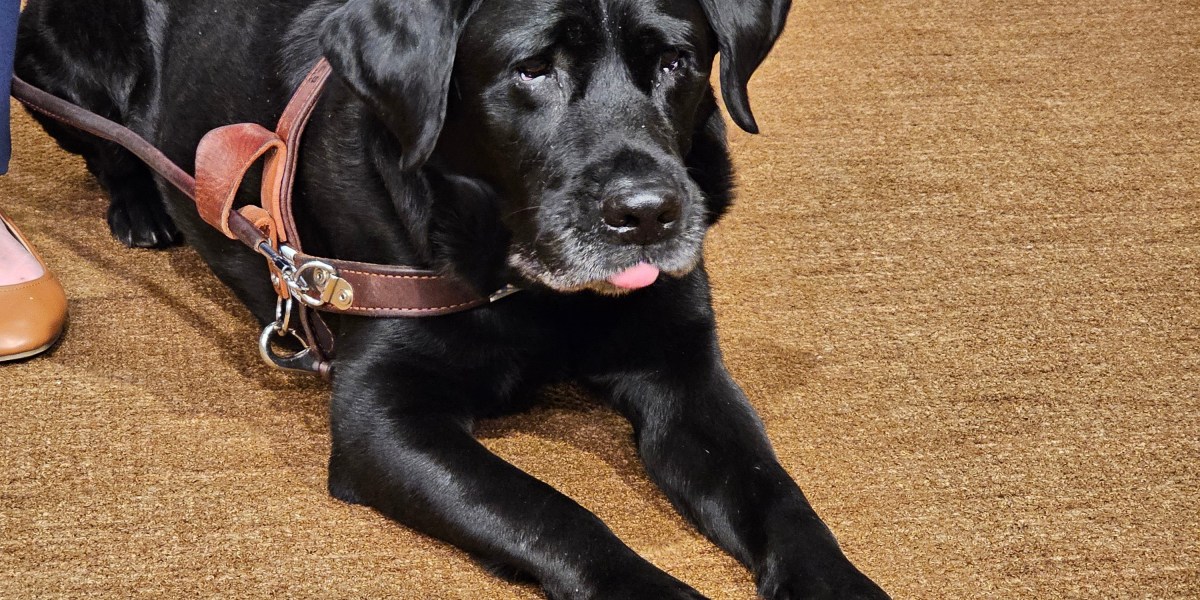
"This case is a deeply personal thing to me because I travel pretty much everywhere with my guide dog. He is my eyes. He is my freedom, and he is why I am able to live independently."
"The terms require Lyft to train its drivers on the rights of passengers with disabilities, and warn them that they could be 'deactivated' and lose their ability to drive for Lyft if they violate the law. Drivers can't cancel or refuse a ride because a passenger has a service animal or wheelchair, or because they have low or no vision."
"We expect that all riders in Minnesota and in fact, across the United States, will benefit from these changes."
Lyft reached a settlement with Minnesota's Department of Human Rights after college student Tori Andres filed a complaint when multiple drivers refused to transport her service dog, Alfred. The investigation found Lyft violated Minnesota's Human Rights Act. The settlement requires Lyft to provide comprehensive driver training on passenger disability rights, implement app updates to enforce compliance nationwide, and establish consequences including driver deactivation for violations. Drivers cannot refuse rides based on service animals, wheelchairs, or vision impairments. The state will monitor compliance for three years. Andres received a $63,000 settlement. Lyft disputed the findings, claiming the protections were already in place and that violations were driver-specific rather than company policy.
#disability-rights #service-animals #ride-sharing-discrimination #ada-compliance #settlement-agreement
Read at Fortune
Unable to calculate read time
Collection
[
|
...
]