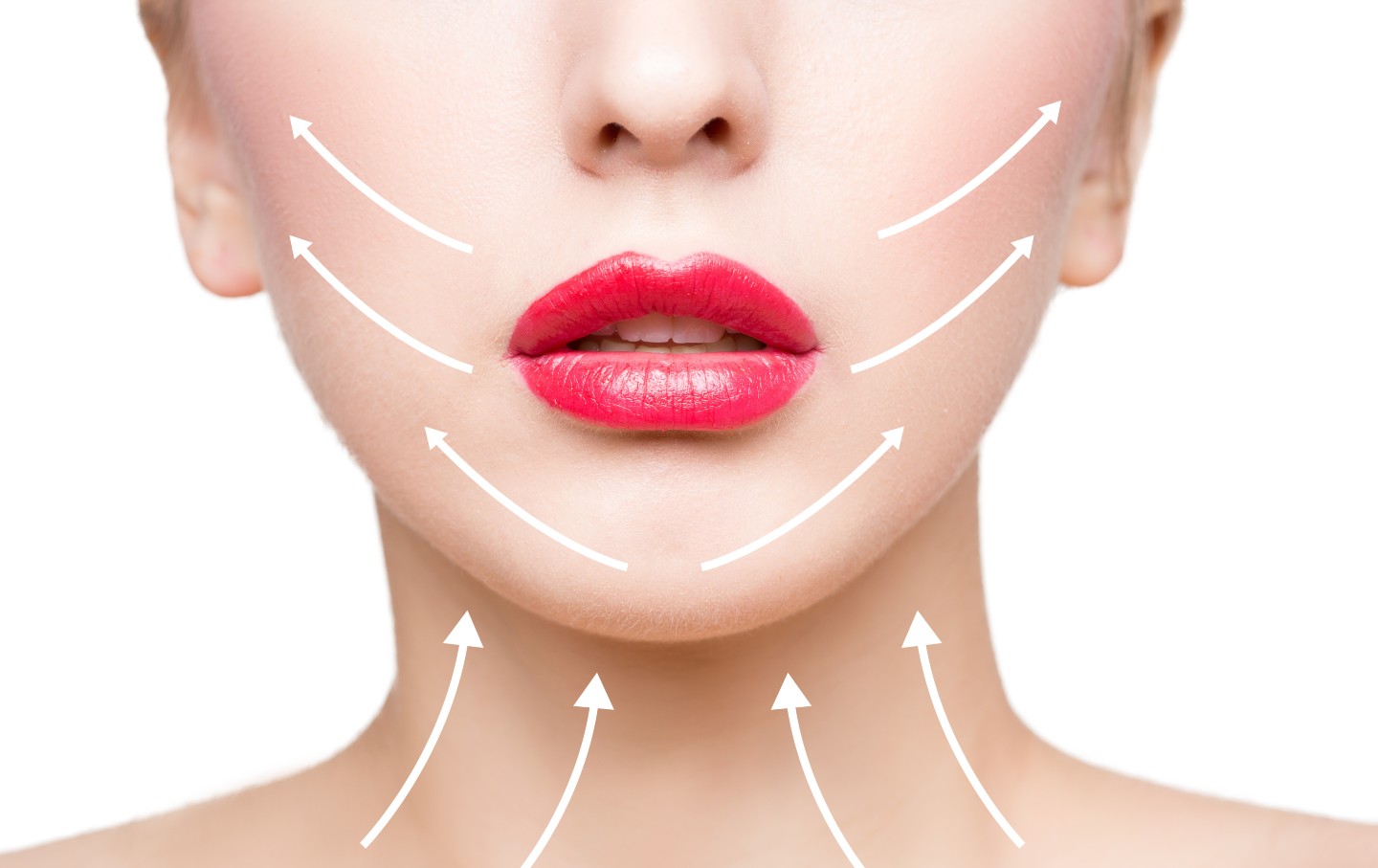
"I am familiar with this feeling. Breadcrumb trails of heat lead to pain that's called minor, pressure that's called surprising. Rooms like this-the salon where my scalp scalds as my curls burn away or the aesthetician's office where I lie as vulnerable as I might in a hospital bed-are drenched in anxiety's musk, scented with antibacterial spray. The women who leave me their warmth are like older sisters, evidence files, guinea pigs, role models, comrades, and competition."
"The chair is plush, its knobs and levers obscured like the vials, needles, and chemicals stored somewhere out of sight. On the plasma screen affixed to the pastel-pink wall, a slideshow plays. Disembodied features float across my field of vision. Segments of faces appear in before-and-after pairs. Pinched lips engorge. Furrowed foreheads flatten. I'm waiting, wondering whether to be pricked with a needle and bleed money."
A rapidly expanding medspa industry, fueled by influencer imagery and peer examples, pushes women into cosmetic procedures as investments in appearance and social standing. Salons and aesthetic clinics create intimate, anxious environments where vulnerability and bodily exposure coexist with sanitized displays of before-and-after results. Women experience communal dynamics that mix camaraderie, competition, and role-modeling, and they navigate decisions shaped by fear of losing aesthetic advantage. Financial, physical, and emotional costs are framed as necessary outlays for maintaining perceived cosmetic capital and belonging in a culture that prizes curated appearance.
Read at The Nation
Unable to calculate read time
Collection
[
|
...
]