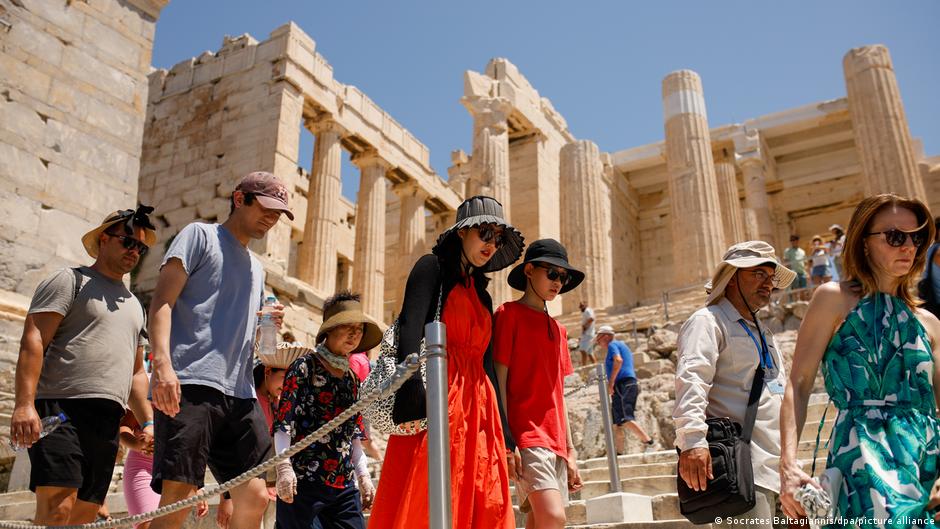
"I don't think we need to feel guilty at all. In many parts of the world, tourism is a key economic sector and an important driver of prosperity. Even so, certain factors deserve careful consideration in advance—particularly the environmental footprint of a trip and the pressures associated with overtourism."
"You should ask yourself: Do I really need to go to Athens in the middle of summer, when it's already overcrowded? Switching to doing sightseeing in the off-season, if your circumstances allow, at least helps to ease the pressure on a location. You could also ask yourself whether there are alternative destinations that are just as interesting but less crowded."
"There is also undertourism—places whose residents would be delighted to welcome more visitors. In Catalonia, for example, many people in the rural areas would like to see more tourism, while Barcelona clearly has too much of it."
Travel creates moral dilemmas regarding carbon emissions and overtourism impacts. Rather than avoiding travel entirely, sustainable approaches exist. Tourism drives economic prosperity in many regions, making it valuable. Key considerations include reducing environmental footprints and addressing overtourism pressures. Strategies include visiting destinations during off-season rather than peak times, selecting less crowded alternative locations with similar appeal, and supporting undertourism areas where residents actively welcome visitors. Examples include choosing Leipzig over Berlin or Philadelphia over New York. Rural areas in regions like Catalonia particularly benefit from increased tourism, while major cities like Barcelona experience overtourism. Sustainable tourism operators provide frameworks for responsible travel practices.
Read at www.dw.com
Unable to calculate read time
Collection
[
|
...
]